

If you're running a hydraulic system and starting to notice sluggish performance, extra heat, or using more energy than usual - your hydraulic pump efficiency is likely on the decline. Whether it’s a gear pump, piston pump, or variable displacement pump, every drop in efficiency impacts output, energy use, and long-term reliability.
In this guide, we’ll explain how to calculate volumetric efficiency, identify what causes losses, and show you how to get the most from your pump and motor setup-whether it's a mobile system or an industrial unit.
Hydraulic pumps convert mechanical energy into hydraulic energy by moving hydraulic fluid under pressure. Pump efficiency is a measure of how effectively that conversion happens. There are two main types:
Both are essential when evaluating hydraulic pump and motor efficiency, especially in high-load applications where flow rate and pressure drop matter.
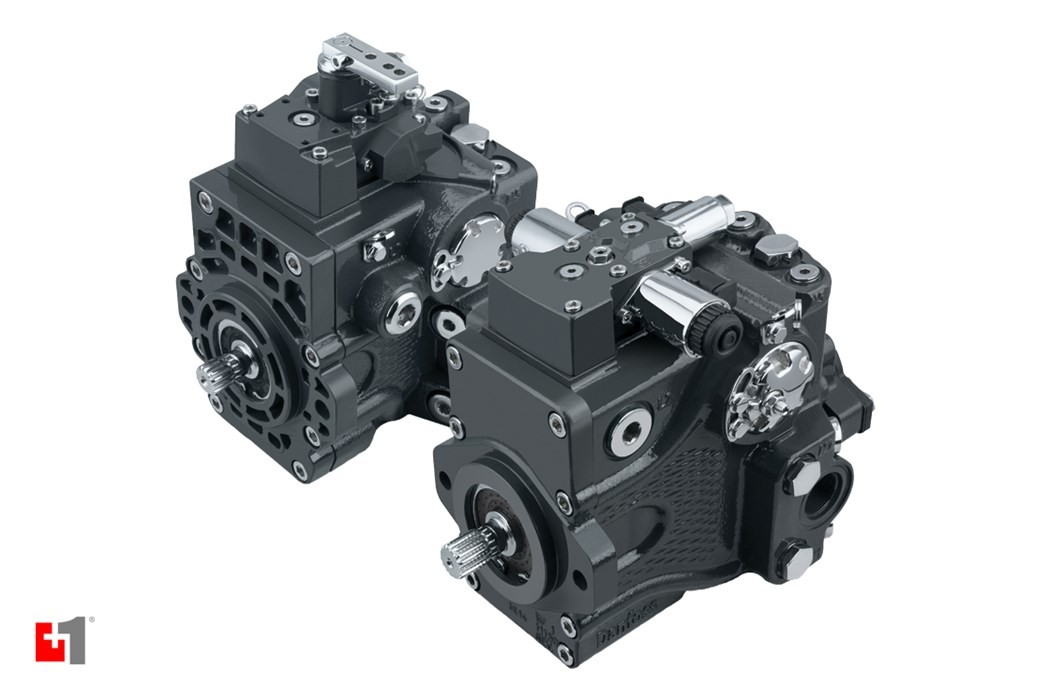
Volumetric efficiency refers to how much of the theoretical flow a pump actually delivers at a given pressure.
Volumetric Efficiency = (Actual Flow ÷ Theoretical Flow) × 100
For example:
This drop in efficiency is often caused by internal leakage due to worn seals or increased clearances, especially in older piston pumps and gear pumps.
With a variable displacement pump, it's not just about wear - system design, control strategy, and fluid viscosity all affect efficiency.
When displacement is altered, so is the flow delivered by the pump. To calculate efficiency:
If theoretical flow is 100 and you measure actual flow of 90, your pump's efficiency is 90%. A sharp drop in flow may indicate internal leakage and fluid breakdown.
To get the overall efficiency, you need:
Overall Efficiency = Hydraulic Power Output / Mechanical Power Input
Where:
You can quantify the pump and compare actual efficiency against native efficiency specs from the manufacturer.
Even the most efficient pump will degrade over time. Here's what typically causes it:
This is why tracking efficiency over time in a condition-based maintenance environment makes sense. It helps to identify bearing life or deteriorating efficiency issues before failure.
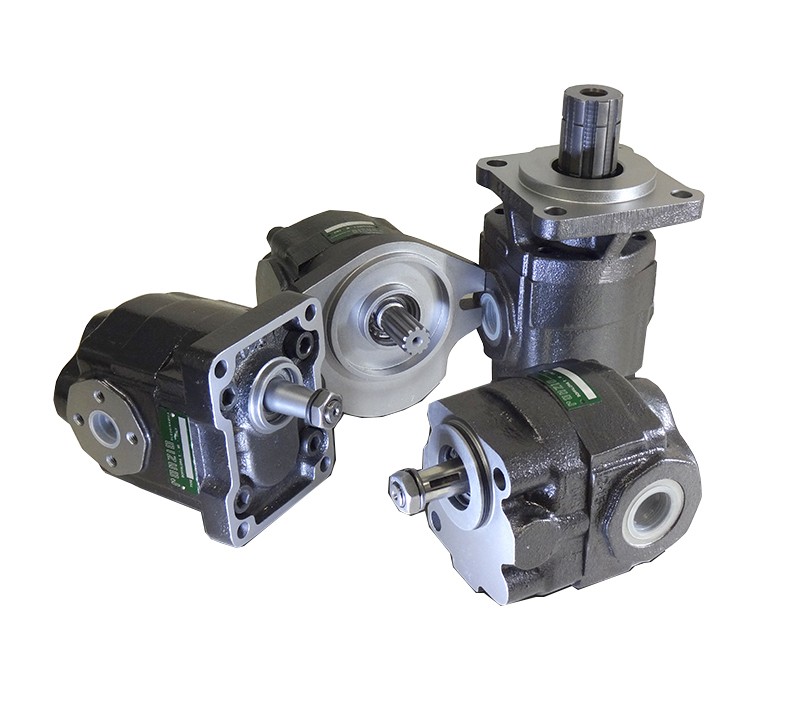
Every hydraulic system component contributes to efficiency - but the pump or motor is usually the most significant player.
If the pump can convert energy with volumetric efficiency of 92%, but the motor efficiency ratings are poor, you're losing power in the system.
This is especially critical in closed-loop systems where hydraulic energy is turned back into mechanical work.
Pump flow and flow and pressure must be matched to system demands. Oversized pumps generate heat; undersized pumps cause starvation.
Key things to consider:
Here's how to increase efficiency - without needing to replace the entire pump:
These errors show up a lot in field maintenance logs:
What does it mean if a pump has a volumetric efficiency below 85%?
Internal wear is likely a result of leakage or deteriorating hydraulic fluid condition-time to inspect.
How do I calculate the efficiency of a hydraulic pump?
Use actual vs theoretical flow, or divide hydraulic output power by shaft input power.
What’s a typical efficiency rating for a gear pump?
Usually between 80-88%. Higher when new, but drops faster than a piston pump.
What happens to efficiency in high-pressure systems?
If system pressure is too high, internal leakage increases. Efficiency drops, and more heat is generated.
Understanding hydraulic pump efficiency is the difference between running a smooth, energy-smart system and increased operational expenses as a result of poor design and late maintenance. Whether it’s calculating the volumetric efficiency of a variable unit or working out if your pump at a given pressure is still delivering, it pays to stay ahead of the game.
Efficiency isn’t just a number - it’s a clear window into the health of your entire hydraulic system.
Posted by admin in category Pumps Advice on Tuesday, 16th December 2025
Call our knowledgeable team Mon–Fri 8:30am–5pm
Systems & Components Division 01427 874445
sales@hydrastore.co.uk
Hose Division 0121 326 6395
hoses@hydrastore.co.uk


Hydrastore use cookies to make the site run smoothly, enhance the content and to gather information on how you use it in order to improve and personalise your experience. See our Privacy Policy