
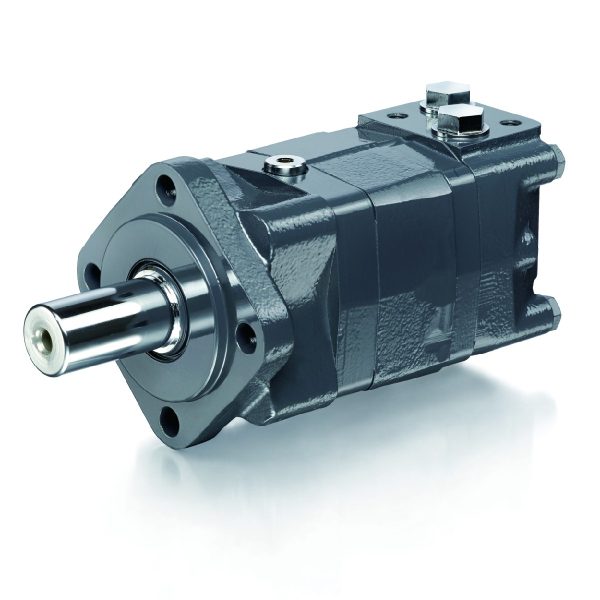







How to Get Hydraulic Motor Sizing Right (First Time)
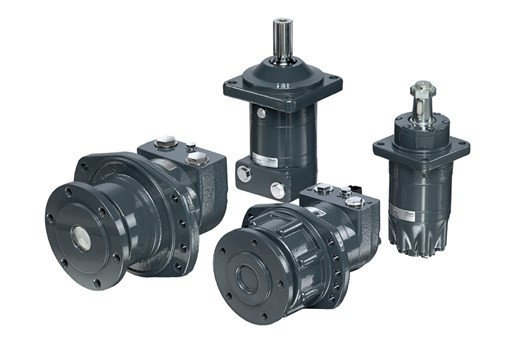
Getting the hydraulic motor sizing right is non-negotiable when you’re speccing out a hydraulic system. Go too big and you’re wasting money and power. Go too small and you’ll end up with overheating, stalling, or something worse – like a wrecked system. So, how do you actually get it right?
Let’s break it down.
What Affects Hydraulic Motor Sizing?
Before you reach for your calculator, understand this: sizing a motor isn’t just about matching it to a hydraulic pump. It’s about application, load, speed, pressure, flow rate, and margin. If you miss any one of those you’re setting yourself up for a headache.
Here’s what you need to consider:
- Required Torque (starting and running torque)
- Motor Speed (RPM)
- Available Flow Rate (L/min or GPM)
- Operating Pressure (Bar or PSI)
- Displacement (cc/rev)
- System Efficiency
- Load Type and Duty Cycle
The Basic Hydraulic Power Formula (And How It Applies)
If you’re not starting with the maths, you’re guessing.
To calculate the required hydraulic motor size, start with this formula:
Hydraulic Power (kW) = (Flow rate × Pressure) / 600
- Flow rate in L/min
- Pressure in bar
This gives you the hydraulic power output needed. From there, you calculate the motor displacement.
Torque: Running, Starting and the Reality of Load
Torque (Nm) = (Pressure × Displacement) / 20
- Pressure in bar
- Displacement in cc/rev
But hang on — there are two key types of torque to keep in mind:
- Starting Torque: What it takes to get things moving. Always higher.
- Running Torque: What’s needed to keep it moving.
For gear motors or piston motors, starting torque might be the deciding factor. This is particularly true when your application requires frequent starts under load (think conveyors or winches), so be sure to size for starting torque — not just running torque.
Speed vs Flow: Matching Your Motor to the System
Motor Speed (RPM) = (Flow Rate × 1000) / Displacement
This one trips up a lot of people. Say your pump puts out 60 L/min and your motor’s displacement is 200 cc/rev — that gives you a theoretical 300 RPM.
Too slow? You’ll need a smaller displacement motor. Too fast? Go larger — or limit flow.
Pro tip: always factor in system efficiency. A real-world motor rarely runs at 100%. Factor in 85–90% efficiency for most motors.
Sizing in Practice: Example Calculation
Let’s say your application requires:
- Torque: 200 Nm
- Speed: 300 RPM
- Pressure available: 180 bar
- Flow rate: 60 L/min
First, check the displacement:
Displacement = (Torque × 20) / Pressure
= (200 × 20) / 180 ≈ 22.2 cc/rev
Then check speed:
Motor Speed = (Flow Rate × 1000) / Displacement
= (60 × 1000) / 22.2 ≈ 2702 RPM — way too high.
So, to hit 300 RPM, you’d need a displacement closer to:
Displacement = (Flow Rate × 1000) / Motor Speed
= (60 × 1000) / 300 = 200 cc/rev
At that size, your torque would be:
Torque = (Pressure × Displacement) / 20π
= (180 × 200) / 20π = 1,800 Nm
Which is massively oversized for a 200 Nm requirement — unless you need that extra torque for startup or safety margin.
This is why calculating both ways is key.

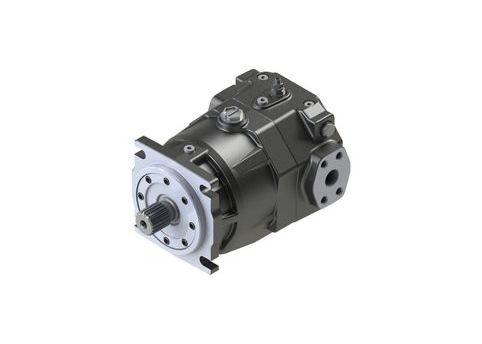
How to Choose the Right Hydraulic Motor Type
Once you’ve sized it, pick the type of hydraulic motor based on the job:
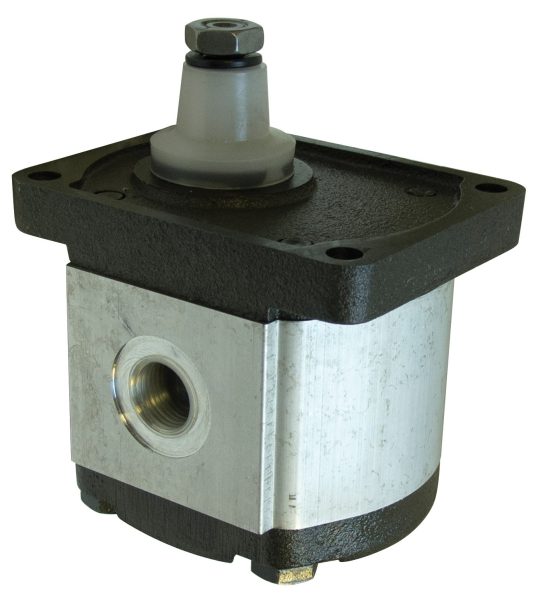
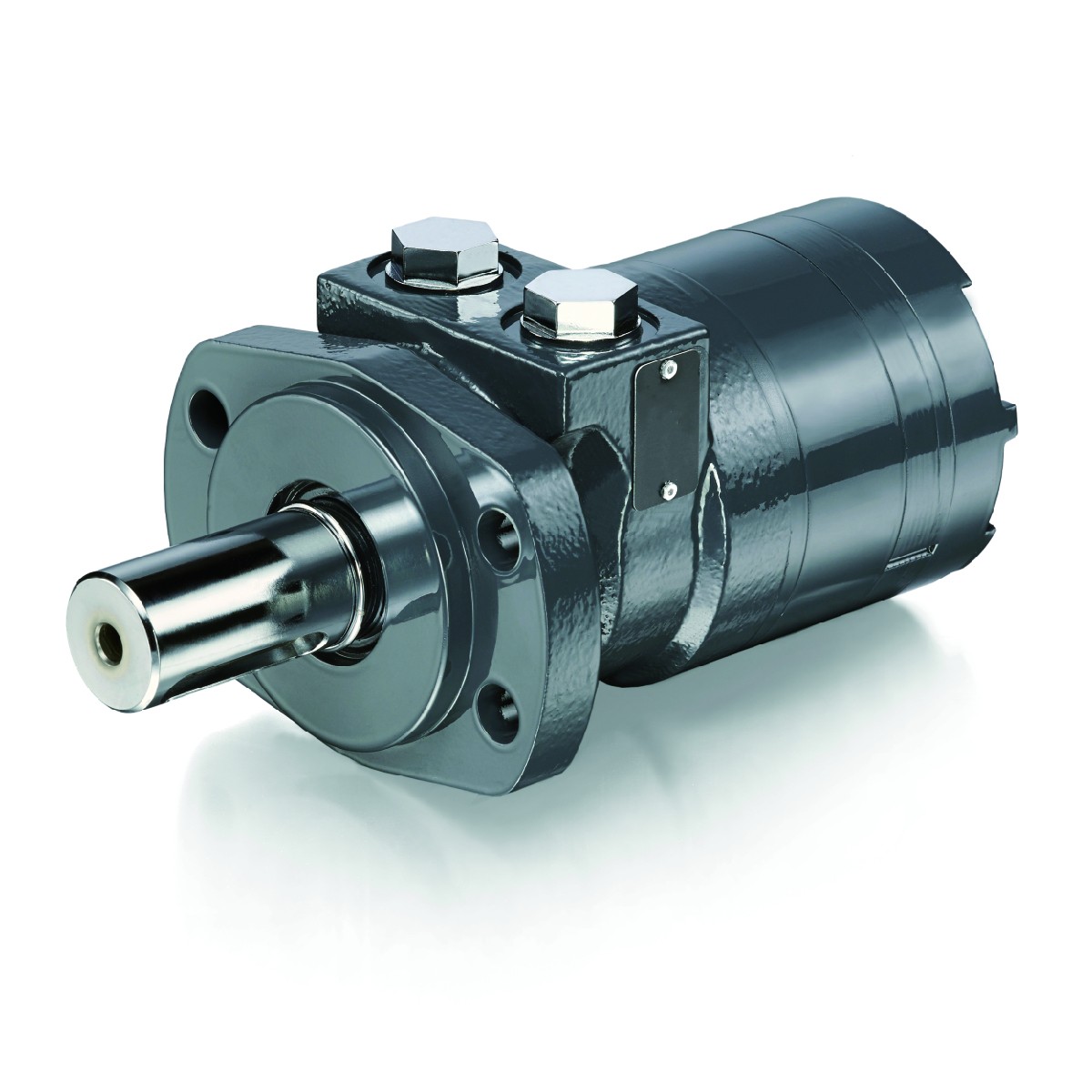
- Gear Motor – Simple, low-cost, best for medium torque/speed.
Piston Motor – High torque and efficiency, ideal for demanding loads. - Vane Motor – Smooth, quiet, better for fixed-speed industrial kit.
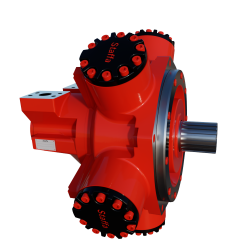
For mobile applications (like agricultural kits or tracked vehicles), a radial piston motor may be the better choice due to its torque density and durability.
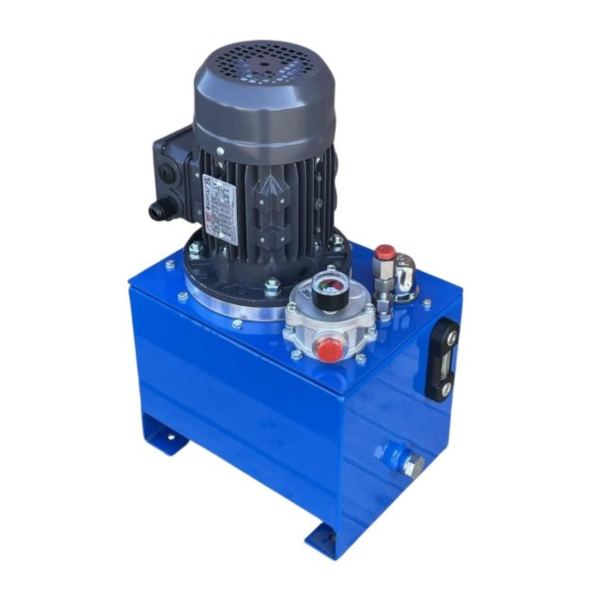
Need help matching it? Hydrastore’s team can specify, source, or build exactly what you need — especially if you’re combining it with a hydraulic power unit or custom power pack.
Don’t Oversize – Or Underspec
A motor that’s too big will:
- Waste energy
- Be noisy
- Cost more
- Strain other components
A motor that’s too small will:
- Stall under load
- Overheat
- Fail early
Always add a sensible margin, but don’t overdo it. 10–15% is usually enough.
FAQs
Q: What’s more important — flow or pressure?
A: Both. Pressure drives torque, flow drives speed. You need both to size a motor properly.
Q: Can I use the same motor across multiple machines?
A: Only if their pressure and flow demands match. Even similar motors might not suit different loads.
Q: How do I know if my motor’s oversized?
A: If it’s running too cool, underloaded, or causing system noise or pump cycling — it’s probably too big.
Q: What if I change my pump?
A: You might need to resize your motor. Flow and pressure changes affect everything.
Wrap-up: Nail Your Hydraulic Motor Sizing
Getting hydraulic motor sizing right is more than plugging numbers into a calculator. It’s about understanding torque, pressure, displacement, and flow — and how they all work together in your hydraulic system.
At Hydrastore, we’ve been helping engineers with spec, size, and supply motors for over 30 years. Whether you need a gear motor for a compact system or a high-torque radial unit for a bespoke power pack, we’ve got you covered.