








Calculating Hydraulic Power Pressure Flow and kW Output
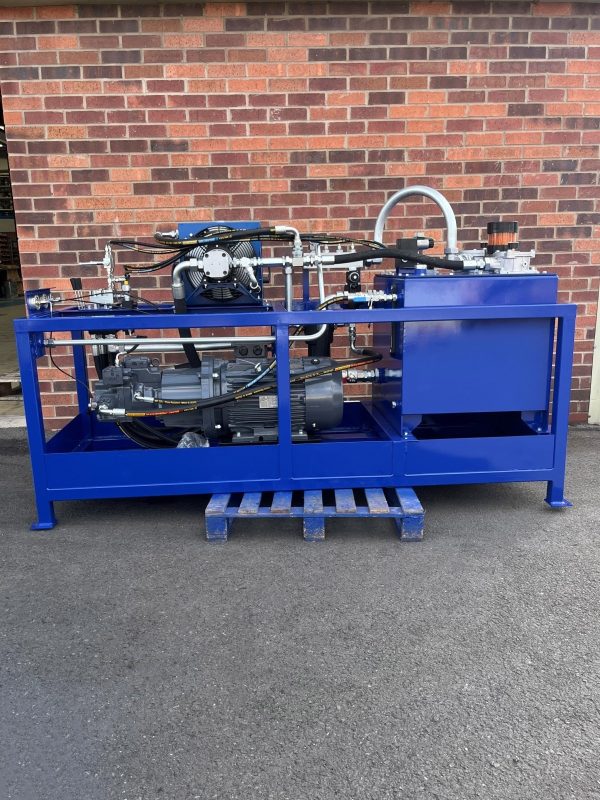
If you’ve ever stood over a pump spec sheet trying to figure out actual output versus theoretical numbers, you’ve encountered a familiar challenge. Calculating hydraulic power can be tricky if you don’t start with the right formula. A hydraulics engineer needs a clear method that accounts for pressure, flow and efficiency without switching between units or making incorrect assumptions.
So, let’s take a look at exactly how to calculate hydraulic power properly, using pressure and flow rate as your main inputs.
How to Calculate Hydraulic Power
The basic hydraulic power formula is:
P (kW) = (Q × P) / 600
Where:
- P is the hydraulic power in kilowatts
- Q is the flow rate in litres per minute (L/min)
- P is the pressure in bar
This is the theoretical power. It’s what you’d get from a system with zero losses. But we all know real systems aren’t that efficient, so you’ll need to adjust for that.
Theoretical vs Actual Hydraulic Power
A theoretical calculation gives you a ballpark. But once you throw in friction, leakage, temperature, or imperfect pump design, you’ll lose power. That’s where system efficiency comes in.
To calculate actual hydraulic power, you can use this formula:
P_actual (kW) = (Q × P × η) / 600
Where:
- η (eta) is the efficiency (decimal format – e.g., 85% = 0.85)
Realistically, most hydraulic pumps will sit somewhere between 80% and 90% efficiency, but you need to get that from the actual component data. If you skip this step, you’ll overspec your electric motor or undersize your pipework.

Understanding Flow and Pressure in Context
Hydraulic calculations revolve around flow rate and pressure, but they affect different outcomes.
- Flow rate (Q): Measured in L/min, defines how quickly fluid moves through the system. It determines actuator speed.
- Pressure (P): Measured in bar, it tells you how much force the fluid can apply. It’s your torque or lifting power.
You can have high flow with low pressure (fast but weak), or high pressure with low flow (strong but slow). The ideal setup depends on the application load and how fast you need to cycle the system.
Hydraulic Pump Efficiency and Its Role in Output
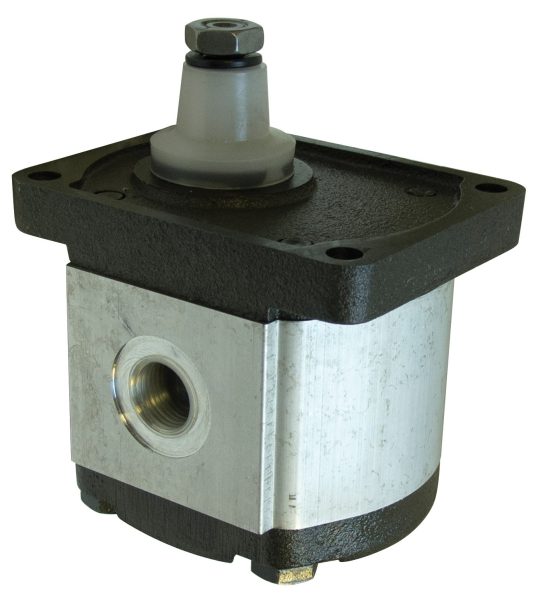
A hydraulic pump doesn’t generate pressure; it creates flow. Pressure is a byproduct of resistance in the system. That’s why when you plug flow and pressure into a formula, you’re only halfway there without knowing the pump efficiency.
Pump performance depends on:
- Mechanical efficiency – related to internal friction
- Volumetric efficiency – affected by leakage
- Overall efficiency – the product of both
Look at the manufacturer’s spec sheet for the pump and motor combination. The closer you match load profile to component efficiency sweet spots, the better your power output.
Using the Hydraulic Power Calculator
To save time, use Hydrastore’s Hydraulic Power Calculator. Enter your:
- Flow rate (Q) in L/min
- Pressure (P) in bar
The calculator automatically returns the power output in kW. It’s useful during system design and also when troubleshooting a pump or motor. You can access it directly on our website, no need to convert PSI to bar or gallons to litres.
Keep in mind:
- The calculator uses the P = (Q × P) / 600 formula
- It’s meant for metric inputs (UK standards)
- Results assume ideal efficiency unless you plug in a separate correction

Choosing the Right Hydraulic Components
Getting the formula right is just one part. Your hydraulic system design must match the calculated values. That includes:
- Pipes and hoses that handle the pressure without ballooning
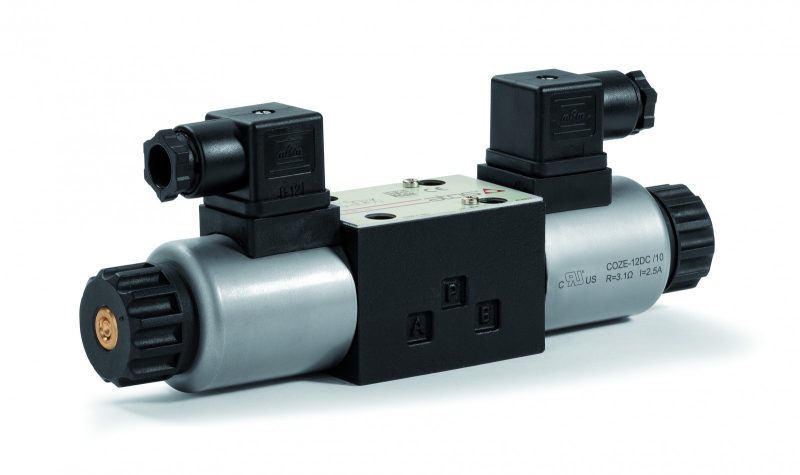
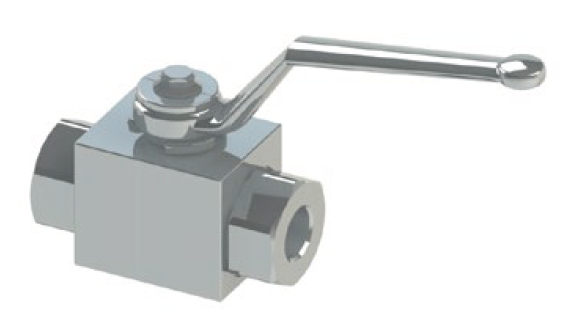
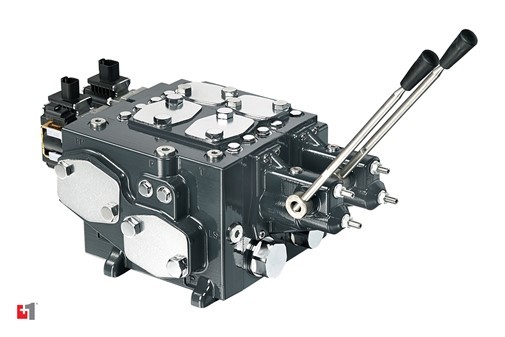
- Valves that don’t cause excessive pressure drops
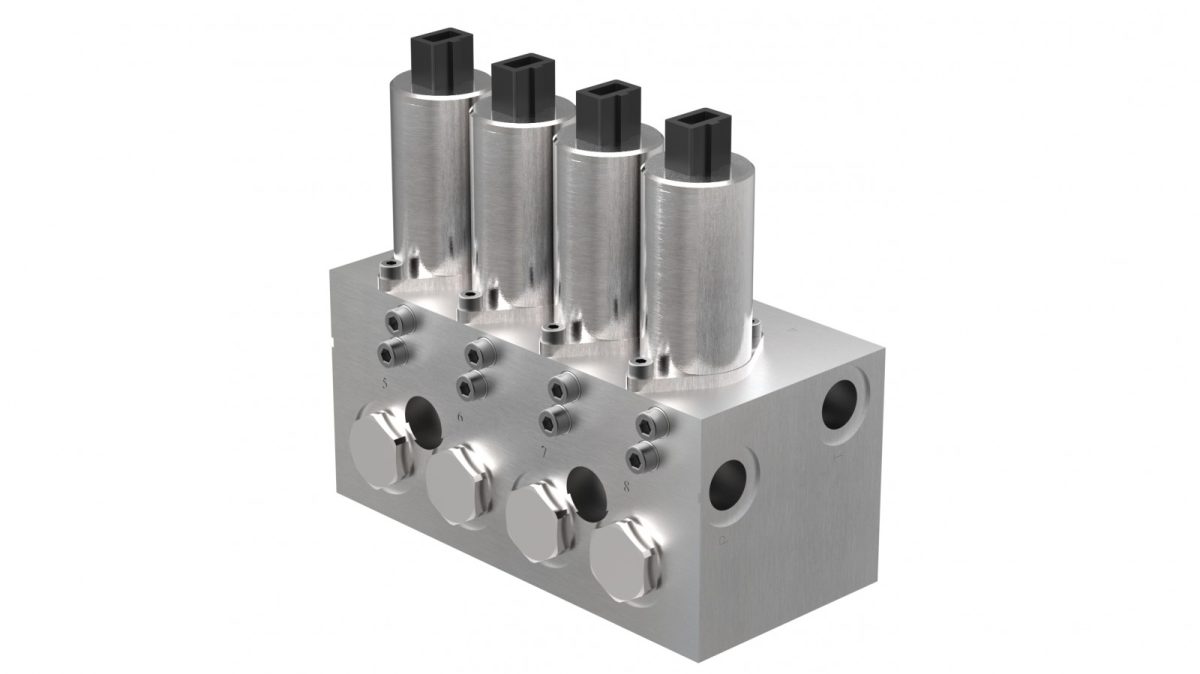
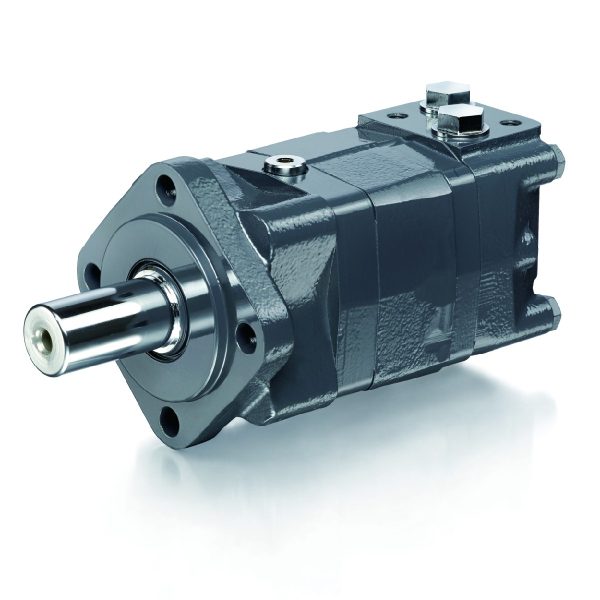
- A hydraulic motor or cylinder that fits the flow/pressure profile
Choosing a motor too large will leave you with wasted energy. Undersizing leads to overheating or failure. Match components based on power demand and load cycles.
FAQs for Hydraulic Power Calculations
Q: What units do I need to use?
Always use L/min for flow and bar for pressure when using the metric formula. The constant “600” converts units to kilowatts.
Q: Can I use this formula for imperial units?
No. For imperial, use:
HP = (Q × P × Eff) / 1714
Where Q is in GPM, P is in PSI, and HP is horsepower.
Q: What’s a typical system efficiency?
Most run between 0.8 – 0.9. But it depends on the age, design, and condition of the system.
Q: What if I don’t know the flow rate?
You’ll need to measure it using a flow meter or refer to the pump spec.
Final Thoughts
Using the right hydraulic power formula helps avoid sizing errors, underperformance or component failure. Whether you’re designing a new system or auditing an existing one, always run both the theoretical and actual numbers. Then match your components to what the job actually needs, don’t guess!
If you’re not sure, speak with one of our expert engineers. Hydraulic systems don’t leave much room for error when they’re under load.