










Hydraulic Fluid Types: Choosing the Right Hydraulic Oil for Your System
Hydraulic fluid types come up early when engineers start looking deeper into hydraulic systems. Usually, after a pump overheats, a valve begins sticking, or hydraulic performance slowly drops, and nobody can quite pinpoint why.
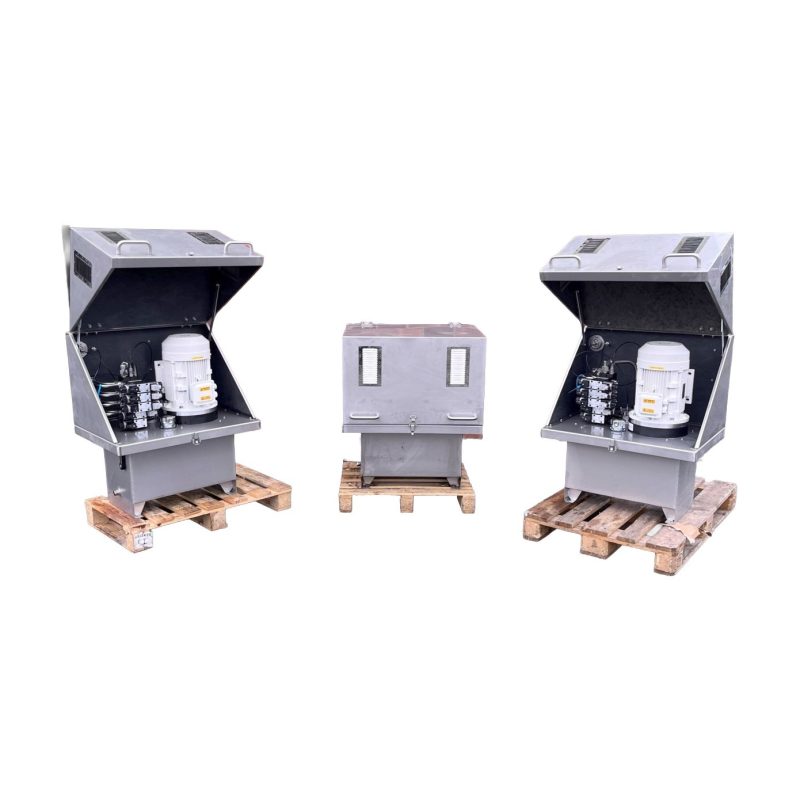
Most hydraulic machinery relies on the fluid circulating through the system. That fluid carries energy, lubricates moving parts, removes heat, and helps control contamination.

When the wrong hydraulic oil type ends up inside the circuit, things go downhill pretty quickly. Pumps wear out faster, valves start dragging, and cylinders lose efficiency.
A hydraulic system transfers force through an almost incompressible fluid. Pressure applied at one point propagates through the system and drives motion in cylinders or motors.
Understanding the different types of hydraulic fluid makes it far easier to choose the right hydraulic oil for the job.
Understanding the different types of hydraulic fluid makes it far easier to choose the right hydraulic oil for the job. If you’re looking for a broader overview of how hydraulic systems operate, our Hydraulic Systems Guide explains the core components and working principles.
The Role of Hydraulic Fluid in a Hydraulic System
Hydraulic systems rely on pressurised fluid circulating through a network of components.
Most systems contain:
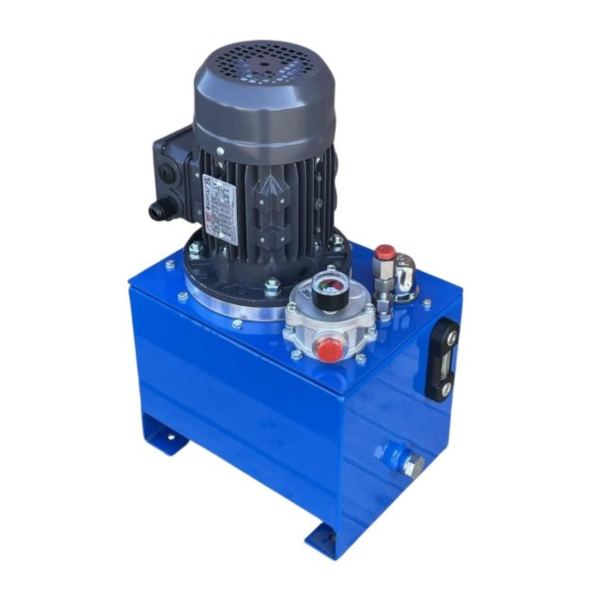
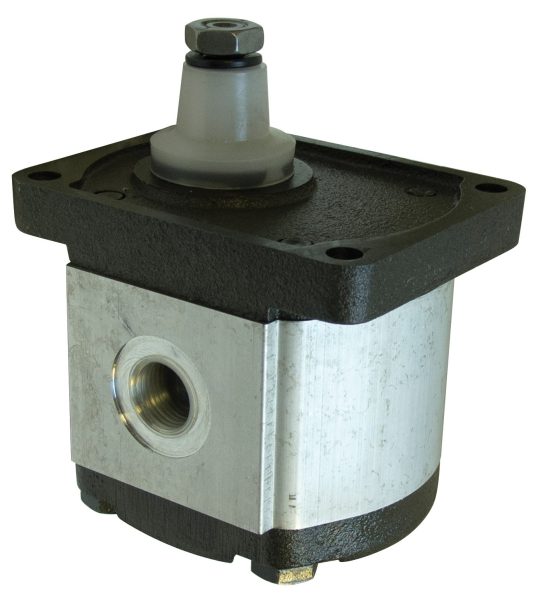
- a hydraulic pump
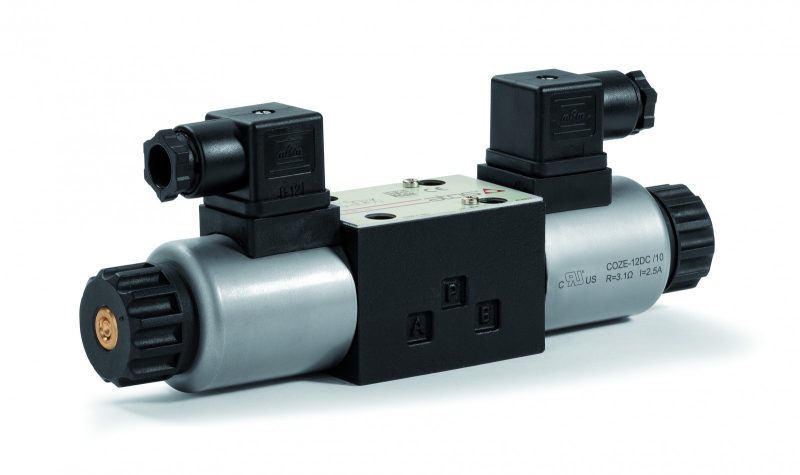
- directional control valves
- pipework or hoses
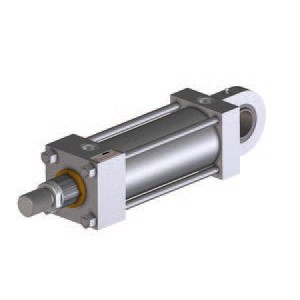
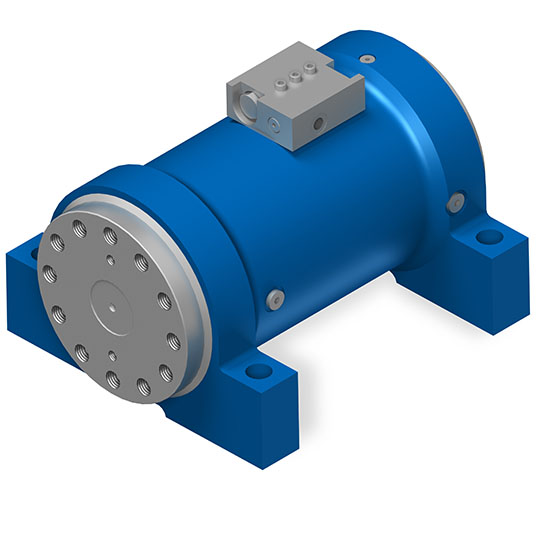
- hydraulic motors or cylinders
- a fluid reservoir and filtration system
The pump draws hydraulic fluid from the reservoir and pushes it into the circuit. Pressurised fluid then moves through valves and pipework before reaching actuators such as hydraulic motors or cylinders.
At that point, the fluid pressure converts into mechanical force.
Hydraulic fluid handles several jobs inside this process:
- transmitting force through the system
- lubricating internal hydraulic components
- removing heat created by pressure and friction
- protecting metal surfaces from corrosion
- carrying contamination to filtration units
When hydraulic oil breaks down or the wrong fluid is used, these functions begin to weaken. That’s where many reliability issues begin.
Main Hydraulic Fluid Types
Hydraulic fluids generally fall into a few main groups. Each type has advantages depending on the system design and working environment.
| Hydraulic Fluid Type | Key Characteristics | Typical Applications |
| Mineral-based hydraulic oil | Good lubrication, widely available, lower cost | Industrial machinery, agricultural equipment |
| Synthetic hydraulic fluid | Stable across wide temperature ranges, high oxidation resistance | Offshore equipment, aerospace systems |
| Water-based hydraulic fluids | High fire resistance, contains water or glycol | Steel mills, foundries |
| Fire-resistant hydraulic fluids | Designed to resist ignition under extreme heat | Power generation, heavy industrial plants |
| Biodegradable hydraulic fluids | Lower environmental impact, breaks down naturally | Forestry, marine equipment |
Selecting the right hydraulic fluid depends heavily on temperature range, pressure levels, and environmental requirements.
Mineral-Based Hydraulic Fluids
Mineral-based hydraulic fluids remain the most widely used type of hydraulic oil.
These oils are produced by refining crude oil into a base oil, then blending additives that improve lubrication and oxidation resistance.
You’ll see mineral hydraulic oil used in many machines, including:
- construction equipment
- agricultural tractors
- hydraulic presses
- manufacturing machinery
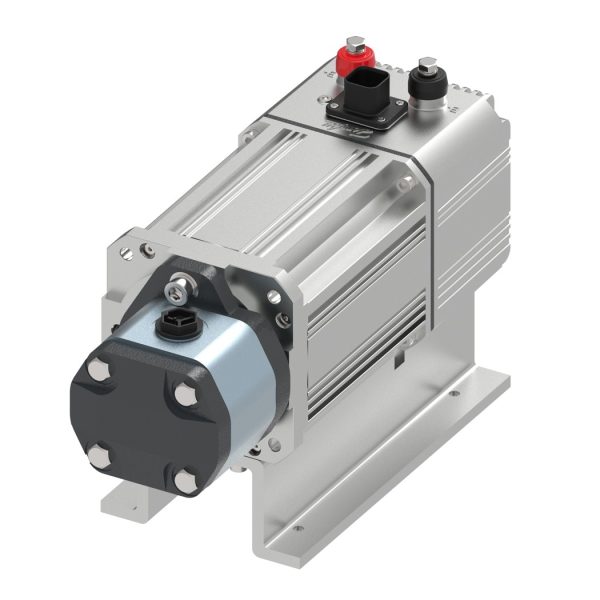
- hydraulic power units
Additives within the oil support system performance by reducing wear and slowing oil degradation.
Typical additive groups include:
- anti-wear compounds
- oxidation inhibitors
- anti-foam agents
- corrosion protection additives
Mineral hydraulic oil works well for most hydraulic systems operating within moderate temperature ranges.
Common viscosity grades include:
- ISO VG 32
- ISO VG 46
- ISO VG 68

ISO 68 hydraulic oil appears frequently in industrial hydraulic power packs and stationary machinery.
Synthetic Hydraulic Fluid
Synthetic hydraulic fluids are engineered lubricants produced by chemical synthesis rather than by direct crude oil refining.
These fluids often perform better in demanding operating conditions.
Situations where synthetic fluids are commonly used include:
- high-temperature industrial systems
- offshore hydraulic equipment
- high-pressure machinery
- aerospace hydraulic circuits
Synthetic fluids provide several advantages.
They maintain viscosity stability over a wider temperature range and exhibit greater resistance to oxidation during extended operating periods.
Machines that run continuously or operate in high-temperature environments often benefit from synthetic hydraulic oil.
The trade-off usually comes down to cost. Synthetic fluids cost more than mineral oils, though longer service life may offset that difference.

Water-Based Hydraulic Fluids
Water-based hydraulic fluids are used primarily in applications where fire safety is a major concern.
These fluids contain a high percentage of water combined with oil or glycol.
Three common variations appear across industry:
- oil-in-water emulsions
- water-in-oil emulsions
- water-glycol hydraulic fluids
Steel mills often rely on water-glycol hydraulic fluids because the water content helps reduce the risk of ignition near molten metal.
Water-based fluids do have limitations, though.
Lubrication performance tends to be lower than oil-based hydraulic fluids, and certain hydraulic components may require closer monitoring.
For high heat industrial environments, though, they remain a practical solution.
Fire-Resistant Hydraulic Fluids
Some industries need fire resistance without sacrificing lubrication quality.
Fire-resistant hydraulic fluids are designed to handle these environments.
These fluids often use base oils such as:
- phosphate esters
- synthetic esters
- specialised synthetic blends
They maintain lubrication properties while resisting ignition under high temperature exposure.
Typical sectors include:
- power generation facilities
- steel manufacturing
- aviation hydraulic systems
- underground mining equipment
Before switching to fire-resistant fluids, engineers normally confirm seal compatibility and system design limits.
Biodegradable Hydraulic Fluids
Environmental regulations now influence hydraulic oil selection across many industries.
A hydraulic oil spill can cause serious environmental damage, particularly near waterways or agricultural land.
Biodegradable hydraulic fluids reduce that risk.
These oils usually rely on:
- vegetable oil esters
- synthetic esters
You’ll often see biodegradable hydraulic oil used in:
- forestry equipment
- marine hydraulic systems
- agricultural machinery
- construction equipment operating near rivers or lakes
Modern biodegradable fluids perform far better than earlier versions. Oxidation stability and temperature tolerance have improved significantly.
Operators still check system compatibility before switching fluid type.
Hydraulic Oil Viscosity and Temperature
Viscosity plays a large role in hydraulic system performance.
It describes how easily hydraulic oil flows at a given temperature.
Oil that becomes too thick causes issues like:
- difficult pump suction
- higher energy consumption
- poor cold start performance
Oil that becomes too thin creates different problems.
- increased internal leakage
- weaker lubrication film
- faster component wear
ISO viscosity grades help standardise hydraulic fluid selection. Maintaining correct viscosity also helps protect hydraulic pumps from premature wear in demanding systems.
Common grades used across hydraulic machinery include:
- ISO VG 32
- ISO VG 46
- ISO VG 68
Selecting the correct viscosity grade depends largely on operating temperature and system design.
Choosing the Right Hydraulic Fluid
Selecting the right hydraulic oil comes down to operating conditions.
Engineers usually look at several factors.
Operating temperature
Systems exposed to high temperatures may benefit from synthetic hydraulic fluids with strong oxidation resistance.
Pressure levels
High pressure hydraulic systems require fluids with good lubricity and stable viscosity.
Environmental exposure
Equipment operating in forestry or marine environments may require biodegradable hydraulic oils.
Fire risk
Steel plants and foundries often rely on water-glycol or fire-resistant fluids.
Component compatibility
Seals, hoses, and valves must match the selected hydraulic fluid chemistry.
Taking these factors into account helps protect hydraulic pumps, motors, cylinders, and valves across the entire system.
Frequently Asked Questions
What is the most common hydraulic fluid?
Mineral-based hydraulic oil remains the most widely used hydraulic fluid across industrial machinery and mobile equipment.
Can motor oil be used as hydraulic fluid?
Motor oil contains additive packages designed for combustion engines. Hydraulic systems require different lubrication characteristics.
What viscosity hydraulic oil should I use?
ISO 32, ISO 46, and ISO 68 are common viscosity grades. The correct option depends on operating temperature and machine design.
Are biodegradable hydraulic fluids reliable?
Modern biodegradable hydraulic oils perform well in many hydraulic systems when temperature limits and seal compatibility are checked.
Why selecting the correct hydraulic fluid type matters
Hydraulic fluid types play a major role in the reliability and service life of hydraulic systems.
Mineral oils support most industrial machinery; synthetic hydraulic fluids perform well in demanding environments; water-based fluids reduce fire risk; and biodegradable oils help limit environmental impact.
Selecting the correct hydraulic oil type and viscosity grade protects pumps, motors, valves, and cylinders across the hydraulic circuit – which is exactly why understanding hydraulic fluid types matters when designing or maintaining hydraulic systems.