

If you’re working on a new hydraulic build or sorting out an underperforming system, the best place to start is with the maths. Without the right calculations, you’re guessing, and that usually leads to problems like wasted energy, overheating, and poor machine performance.
Hydraulic formulas are behind every part of a working system. That includes calculating force in cylinders, speed of actuators, torque from motors, and the flow you need from a pump. This guide will walk through the key formulas and show how they’re used in real systems.
Hydraulic calculations help you size and check every part of the system. Engineers use them to:
These numbers are used in the design stage and also when diagnosing slow or inefficient systems.
There are three key parts to nearly every hydraulic equation.
The basic formula looks like this:
Force equals Pressure multiplied by Area
To find piston area:
Area equals pi multiplied by the diameter squared divided by four
That gives you the force a cylinder will deliver at a certain pressure. Or you can work out what pressure is needed to move a load with a known piston size.
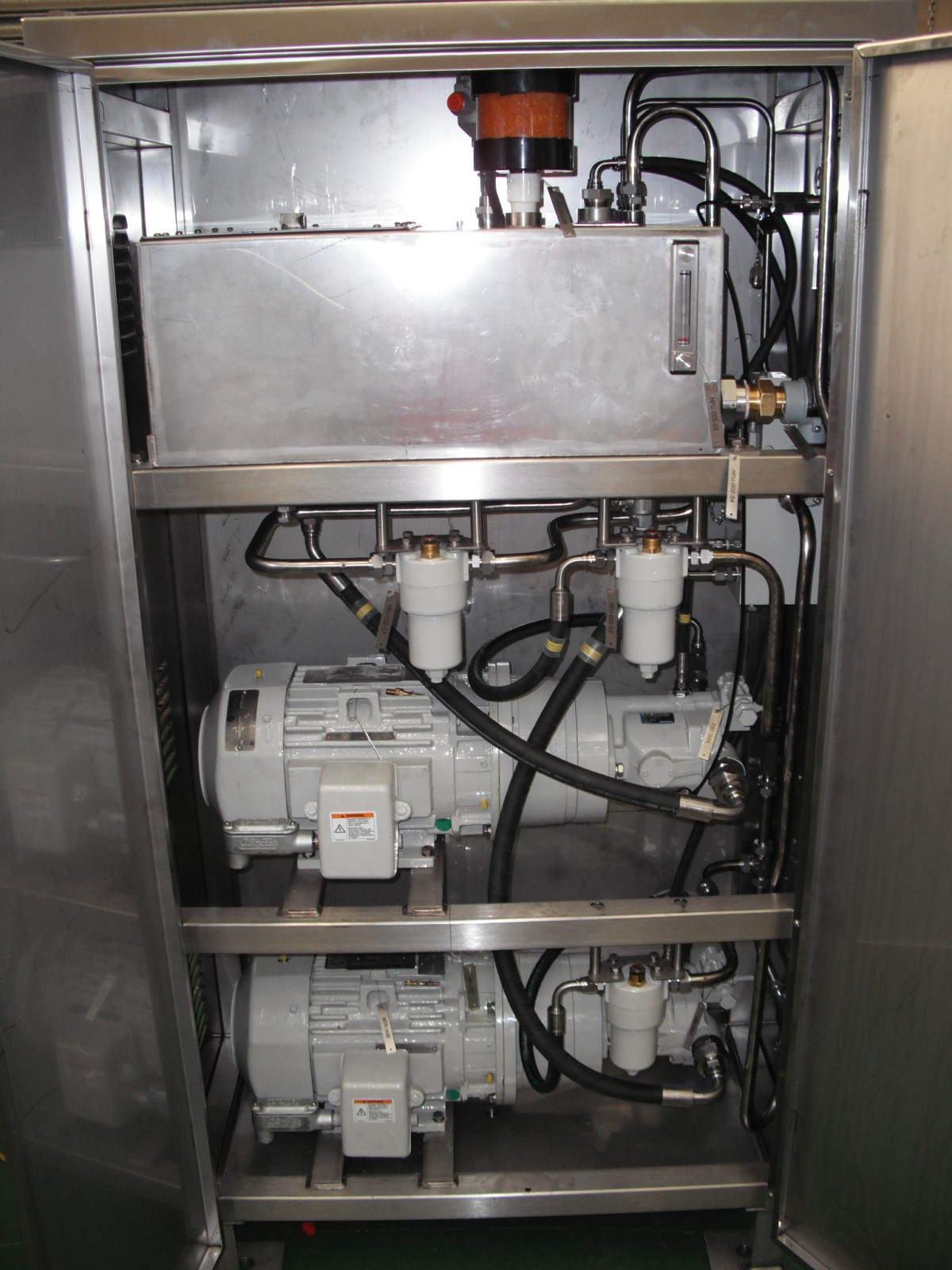
Cylinder speed depends on how fast the fluid is moving and the size of the piston face.
To get a rough speed in millimetres per second:
Flow rate in litres per minute times 1000 divided by Piston area in square millimetres times 60
A bigger piston slows down the stroke. A higher flow speeds it up.
If you’re using a double acting cylinder, remember that the piston rod takes up area on one side. So the retract speed will be slightly quicker than the extend speed unless you account for that in your design.
Hydraulic motors turn fluid pressure into rotary movement.
Here’s how to calculate torque and RPM:
Torque equals Pressure multiplied by Displacement divided by 20
Use pressure in bar and displacement in cubic centimetres per revolution. This gives torque in Newton metres.
To find motor speed in revolutions per minute:
Flow rate times 1000 divided by displacement
Large displacement motors give more torque and lower speed. Small displacement motors spin faster but produce less torque.
To size a pump or check existing output, you’ll need a few key values.
Flow rate equals pump displacement multiplied by RPM divided by 1000
If you’ve got a 25 cc per rev pump running at 1500 RPM, that gives you about 37.5 litres per minute.
For hydraulic power output in kilowatts:
Multiply pressure by flow rate and divide by 600
If efficiency is not one hundred per cent, and it never is, you’ll need to account for that.
Input power equals Output power divided by Efficiency
Always check your drive motor can handle the full load, including losses.
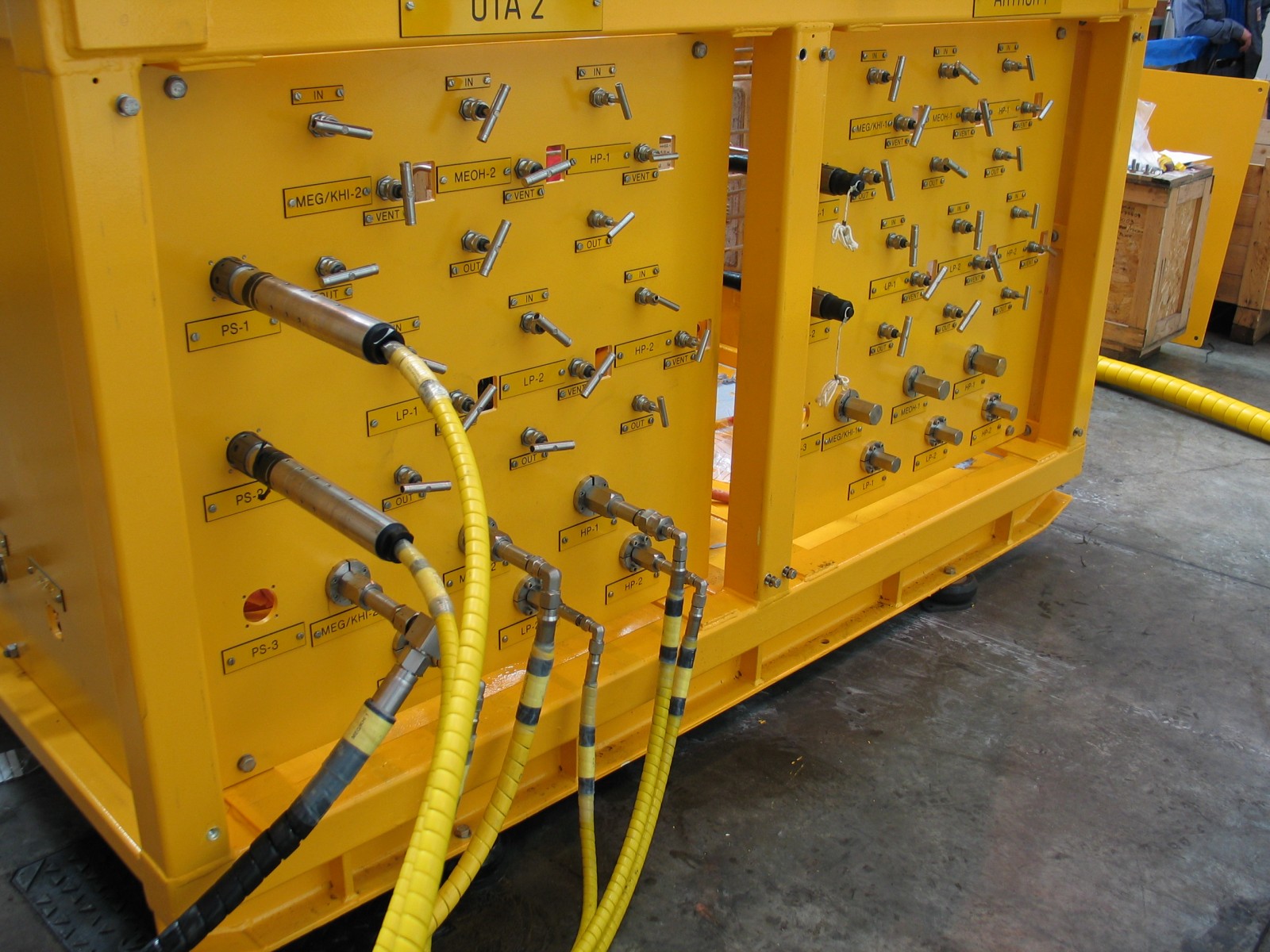
If you need to work out how much fluid a pipe can hold. Or size a tank or reservoir:
Volume equals pi times radius squared times length
Remember: Use consistent units for pipe radius and length
You’ll also need to manage fluid velocity
Recommended speeds:
If the flow is too fast, you’ll get pressure losses and turbulence. Too slow, and the system response will lag.
The formula for hydraulic power is simple:
Pressure times Flow rate divided by 600 gives Power in kilowatts
This helps you spec your electric motor or engine
For system efficiency:
Useful power out divided by Power in
A good system might hit 80 percent. But many run lower due to heat, leaks, friction, and poor design choices.
If you don’t check these values, energy gets wasted and performance drops.
Here’s how the thinking usually goes when building or checking a hydraulic system:
This approach avoids overloading, underpowering, and all the other common design mistakes
Take the motor displacement in cubic centimetres and multiply by desired RPM. Then divide by 1000 for litres per minute.
Yes, you can, but only if all your components can handle the higher pressure. Cylinder seals and hose ratings must match.
Seventy to eighty-five percent is realistic for most systems. Less than that, and something is going wrong.
Not directly. Flow determines speed. Pressure depends on resistance. But restrictions in flow can cause a pressure rise.
Hydraulic formulas are what keep systems working smoothly and efficiently. If you're not using them, you're relying on trial and error. With just a few equations, you can design better, run more efficiently, and spot problems before they get serious. Whether you're working with motors, pumps, or cylinders, the maths stays the same and the gains are well worth the effort.
Posted by admin in category Systems Advice on Monday, 26th January 2026
Call our knowledgeable team Mon–Fri 8:30am–5pm
Systems & Components Division 01427 874445
sales@hydrastore.co.uk
Hose Division 0121 326 6395
hoses@hydrastore.co.uk


Hydrastore use cookies to make the site run smoothly, enhance the content and to gather information on how you use it in order to improve and personalise your experience. See our Privacy Policy