







HPU Noise Control: Hitting 70-75 dB(A) in Plant Rooms
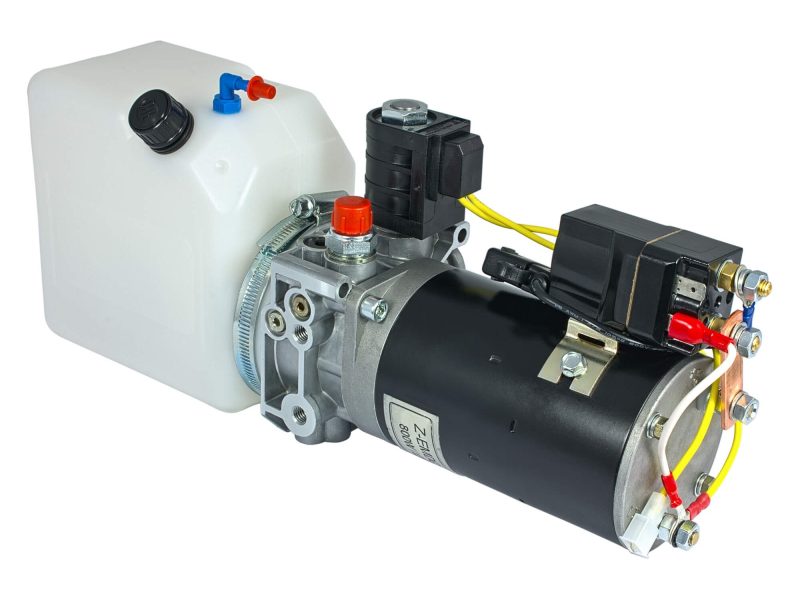
Quiet hydraulic power unit design matters a lot when you’ve got operators, other machinery and tight plant rooms all sharing the same space as a hydraulic power pack and its noise.
You know the story: the hydraulic power unit goes in a plant room, the pump and electric motor start, and suddenly your “background” hydraulic power turns into a constant drone of 80–85 dB(A) noise level that nobody wants to work next to. The hydraulic power system still hits the specified pressure and flow rates, but the noise emissions don’t fit the actual requirement anymore.
Noise targets for plant room HPUs
In industrial sites across the UK, engineers now get pushed to hit 70–75 dB(A) at 1 m from the unit, while still delivering the same hydraulic power, flow, and pressure for the application, so quiet HPU design has turned into a proper engineering problem rather than a nice-to-have.
What actually generates noise in a hydraulic power unit?
Every quiet hydraulic power unit starts its noise story at the pump, motor and flow path, because that is where the hydraulic power is generated and where pressure pulsations are born.
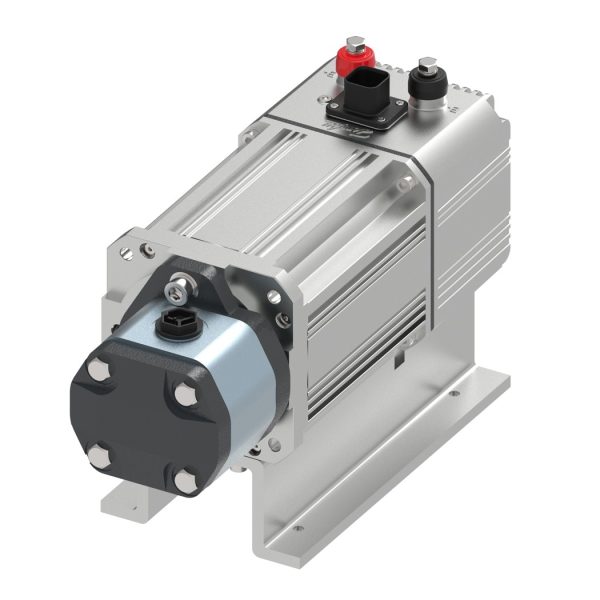
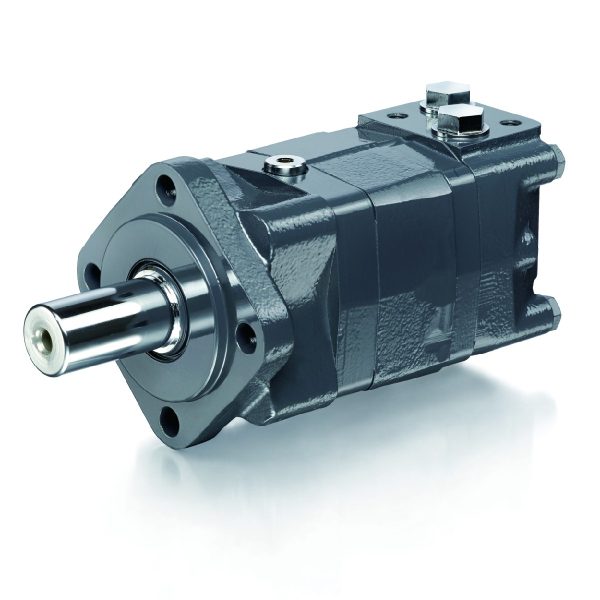
A typical industrial HPU will use a gear pump, vane pump or radial piston pump driven by an electric motor, and each hydraulic pump type brings its own acoustic signature, pressure pulsations, and flow ripple into the unit.
That hydraulic pump takes oil from the tank, raises pressure to the specification, and sends flow into the hydraulic power system, and every sudden change in pressure and flow shows up as vibration and overall noise.
How pressure and flow generate noise in the unit
The motor and pump mounting on the HPU frame transmits that vibration into the tank, steel frame and pipework, so the complete hydraulic power pack starts acting like a speaker cabinet, boosting noise level and throwing unwanted dB(A) into the plant room.
Return flow into the oil tank can add airborne noise too, with high-pressure oil jets hitting the fluid surface, raising temperature locally, and generating extra noise emissions if the tank internals are not set up well.
Tank design, return flow and airborne noise
All this means a quiet hydraulic power unit is never just a quiet pump; it is a full package of hydraulic pump selection, motor choice, frame stiffness, isolation, pipe routing, tank layout, acoustic treatment and smart installation.
Engineering a quiet hydraulic power pack for 70–75 dB(A)
Start with the right hydraulic pump and motor
For a quiet hydraulic power unit in a plant room, pump selection sits right at the top of the engineering decision tree.
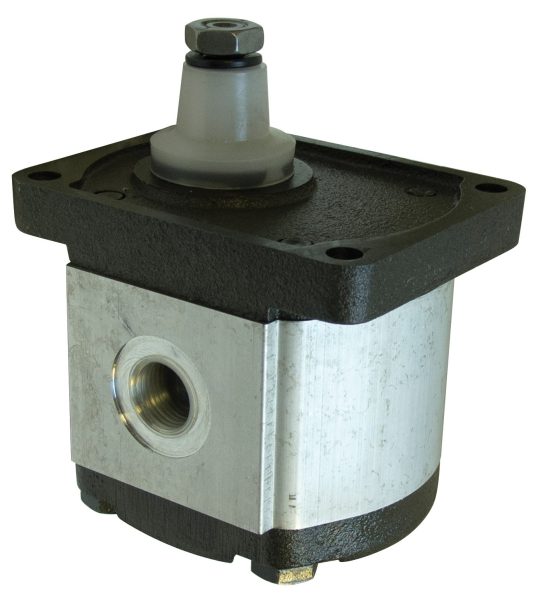
- A gear pump gives a compact and cost-effective HPU, but brings higher pressure pulsations and overall noise at high pressure and high flow.
- A radial piston pump or high-quality axial piston pump can cut noise emissions at source, with smoother flow and better efficiency at high-pressure operation.
Matching the pump to the electric motor speed, required pressure and flow rates allows the HPU to run at a lower speed for the same hydraulic output, and that directly helps noise reduction.
Matching pump displacement, speed and noise level
On many compact HPUs we hit the target noise level by running a slower electric motor, using a higher displacement hydraulic pump, and letting the efficiency gains pay back the extra equipment cost over the life of the machinery.
Control flow rates, pressure and fluid temperature
Quiet hydraulic power depends on stable pressure and flow, since pressure spikes and cavitation in the pump turn straight into dB(A).
Good HPU design keeps suction lines short, oil temperature in the right band, and oil viscosity suitable for the hydraulic pump type, so the unit doesn’t generate extra noise through cavitation or internal leakage.
Preventing cavitation and pressure pulsations
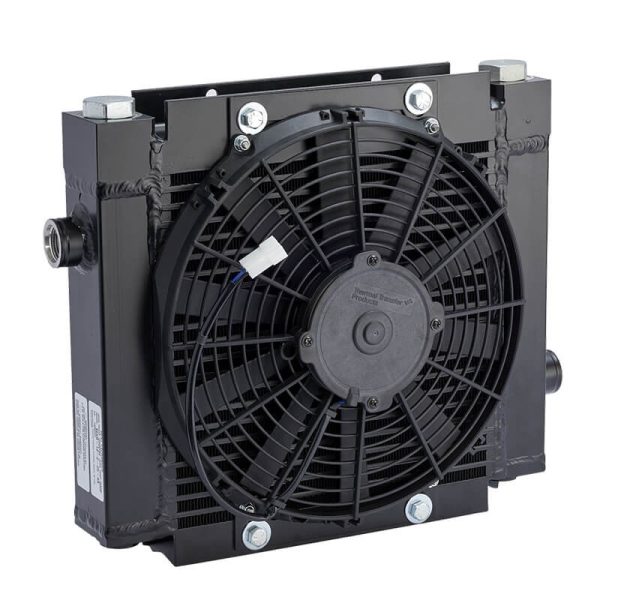
A cooler sized to the application stops the hydraulic fluid from running too hot, which keeps the pump’s internal clearances stable, reduces noise level and protects efficiency and component life at the same time.
Smart control of flow, such as load-sensing systems or variable-speed motor drives, can reduce average pressure and flow demand over a duty cycle, cutting both noise and energy costs for the hydraulic power unit.
Acoustic design of tank, frame and enclosure
Once the pump and motor are sorted, a quiet hydraulic power unit needs a tank and frame that help with attenuation instead of boosting noise.
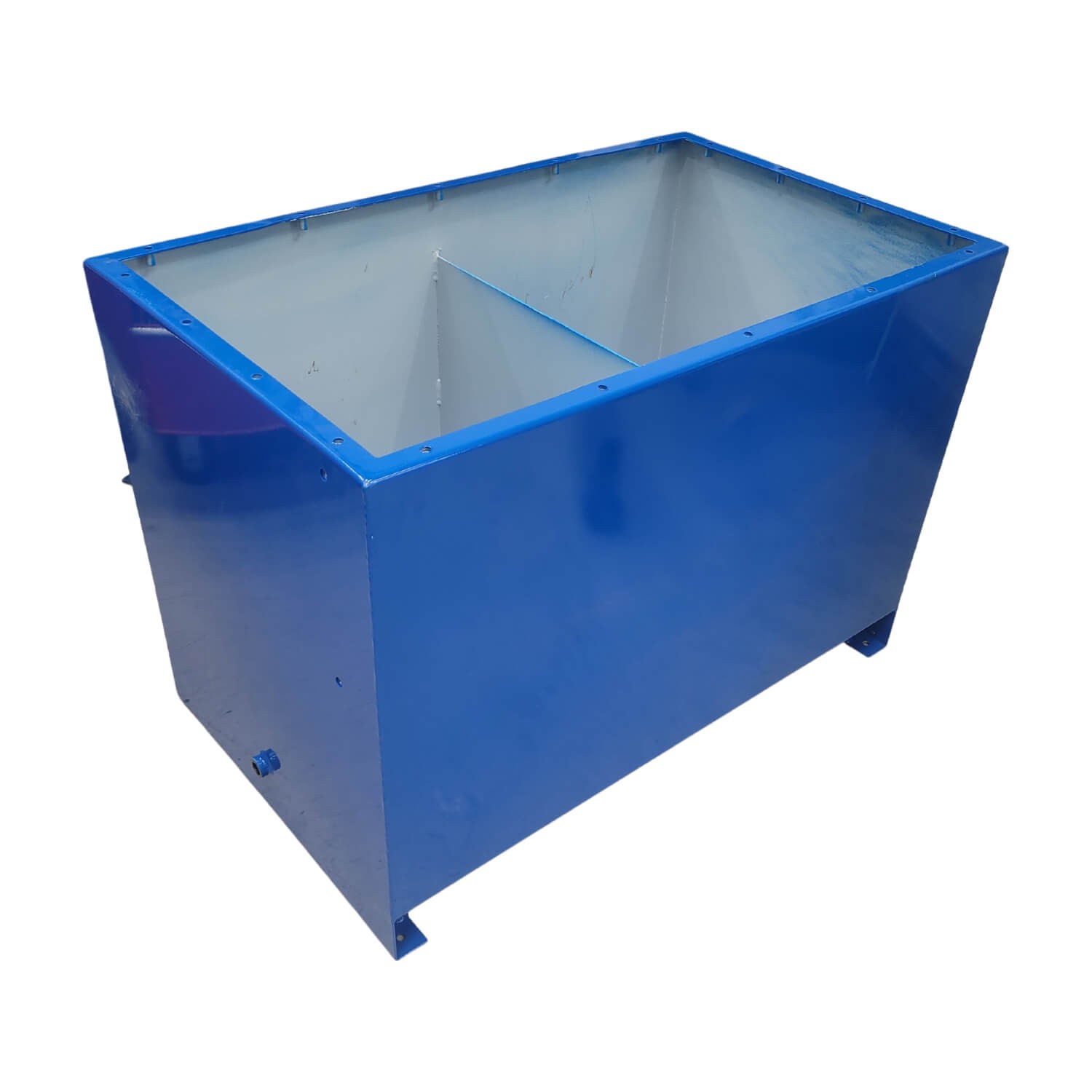
Baffled return lines, submerged oil returns and proper separation between pump suction and return reduce turbulence in the oil tank and cut fluid-borne noise.
Internal tank layout for noise attenuation
Acoustic lining on internal surfaces of an HPU enclosure, plus double-skinned panels around the hydraulic power pack, can deliver substantial reduction in overall noise level, often 5–10 dB(A) depending on the application and space constraints.
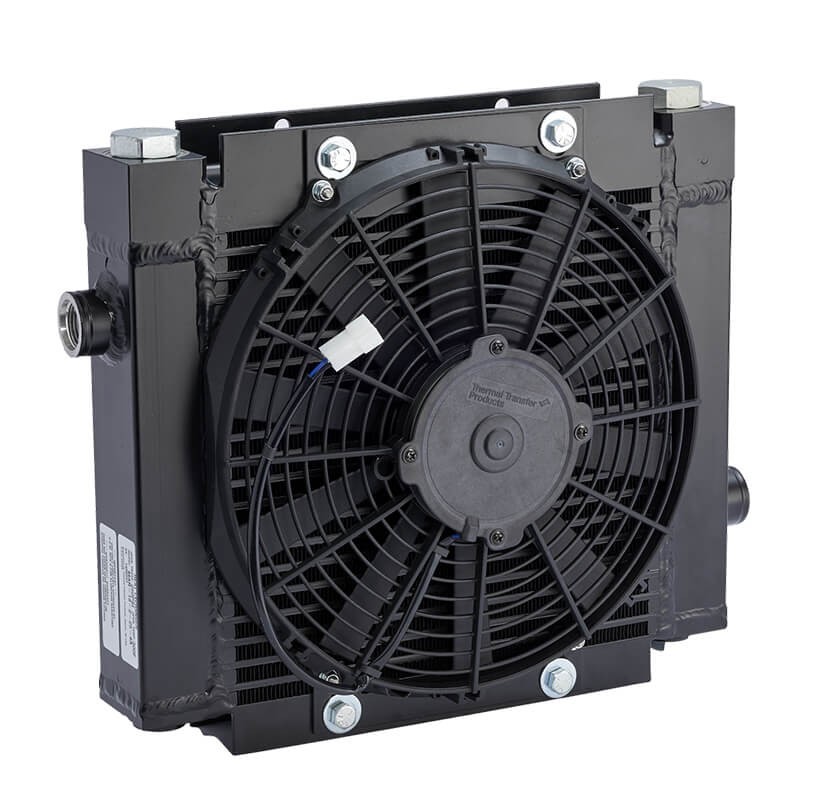
Designers watch airflow as well; the fan used to cool the oil and motor can be a dominant noise source, so a quiet fan, slower air speed and good duct layout are important for any compact HPU sitting in a small plant room.
Installation, isolation and space constraints
You can have the best quiet hydraulic power unit on paper, but poor installation will ruin the dB(A) figures in a plant room very fast.
How installation practice affects overall noise
Mounting the HPU on isolation pads, using flexible hoses or bellows on the main lines, and keeping pipe clamps tight and correctly spaced all helps break vibration paths into surrounding machinery.
Remote mounting of the tank or using a remote control station can move some hydraulic equipment away from operators, and that simple layout change can reduce perceived noise level at the work position without changing the HPU specification.
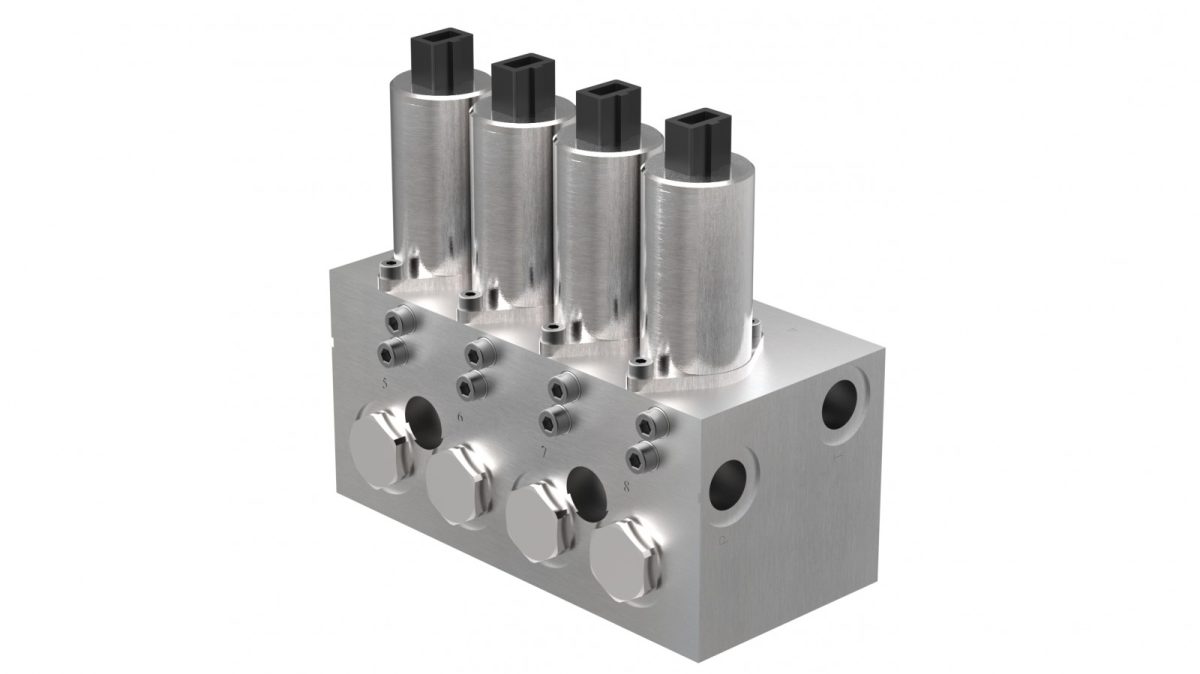
Where space constraints are tight, a modular design HPU with a compact tank, stacked valve manifolds and integrated coolers allows you to fit the hydraulic power system into a plant room corner while still keeping access for maintenance and diagnostic work.
Cost, efficiency and operational savings from quiet HPUs
A quiet hydraulic power unit costs more in hardware than a basic noisy unit, as you add acoustic panels, better pumps and isolation, but the operational savings often make that cost back over the life of the machinery.
Lower noise emissions reduce the need for hearing protection zones, make recruitment and retention in noisy industrial environments a bit easier, and cut the risk of downtime from noise complaints or environmental reasons.
Higher efficiency from a well-engineered hydraulic pump, correct electric motor sizing, and low-loss pipework lowers energy consumption, which supports long-term energy savings when the HPU runs 24/7.
Bespoke hydraulic power packs from Hydrastore can be specified with high reliability components, integrated sensors for noise and temperature measurement, and clear access for maintenance, so the unit stays within its original noise level specification for many years.

Where quiet hydraulic power units really help in plant rooms
Quiet hydraulic power units show their value in test rigs near operators, production lines with multiple HPUs, and machinery running right under offices or control rooms.
In these cases, a hydraulic power unit that holds 70–75 dB(A) at 1 m with the required pressure and flow gives a more comfortable working environment and keeps the plant more flexible for future equipment moves.
Remote hydraulic power packs can sit in a central plant room, feeding several pieces of equipment, and tight control over overall noise from each HPU gives you a cleaner acoustic profile for the whole industrial building.
Centralised hydraulic power packs in shared plant rooms
Where an application needs high-pressure output and high flow rates, a quiet hydraulic power unit design with staged pumps, smart control, and good attenuation can still hit the target dB(A) in the plant room, even with demanding hydraulic machinery connected.
FAQs: quiet hydraulic power units in plant rooms
What dB(A) should I target for a quiet hydraulic power unit in a plant room?
For most industrial hydraulic power unit installations in the UK, engineers aim for around 70–75 dB(A) at 1 m from the HPU casing, which gives a comfortable noise level for manual work over a full shift while keeping good hydraulic power output.
Which pump type is best for a quiet hydraulic power pack?
Radial piston pump and high-quality axial piston pump designs usually give lower noise level than basic gear pump units at the same pressure and flow, so they are often chosen for quiet HPU applications in plant rooms that run high-pressure duty cycles.
Can an existing HPU be made quieter without replacing the whole hydraulic power unit?
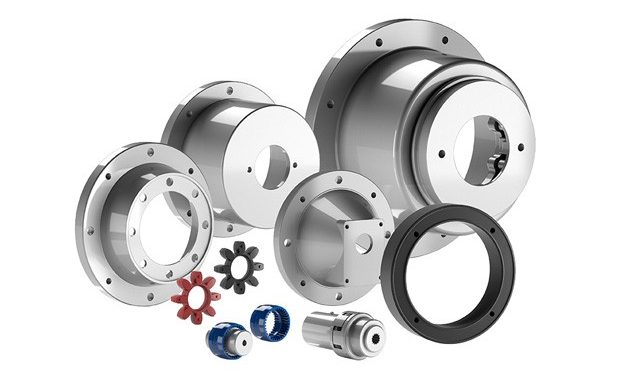
Yes, in many cases you can retrofit acoustic panels, fit flexible couplings, tidy pipe clamps, improve tank return arrangements and add isolation mounts under the frame to get several dB(A) noise reduction from an existing hydraulic power unit.
How do I specify a quiet hydraulic power pack with a manufacturer?
When you speak to a hydraulic power unit manufacturer, give clear figures for required pressure and flow, duty cycle, allowed noise level in dB(A), space constraints, and whether the HPU sits in a shared plant room or remote area so the engineering team can propose the right hydraulic power pack layout.
A quiet hydraulic power unit that hits 70–75 dB(A) in your plant room gives you the hydraulic power you need without turning the HPU into the loudest bit of equipment on site.