





Enclosure Design Checklist: Q&A with an Acoustics Supplier
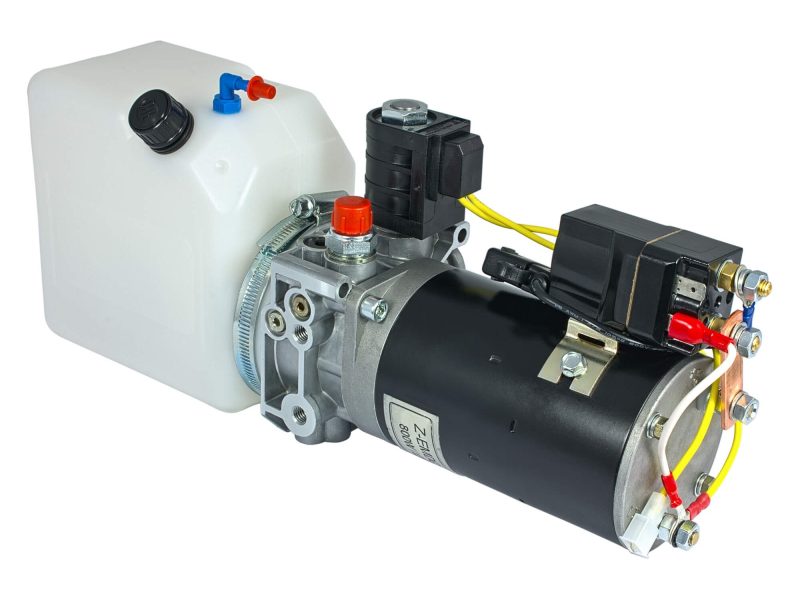
Hydraulic power pack noise reduction is one of those subjects that comes up after a system is already installed and somebody starts complaining.

The hydraulic system does its job, pressure and flow are fine, but the noise in the plant is higher than expected. That’s when enclosure design enters the conversation.
To keep this practical, this article is set up as a straight Q&A with an acoustics supplier who works alongside hydraulic engineers on industrial hydraulic systems. No sales talk, no theory for the sake of it, just what actually affects noise in hydraulic power units and how enclosure design helps reduce noise levels.
Q: Where does most hydraulic power pack noise actually come from?
Acoustics supplier:
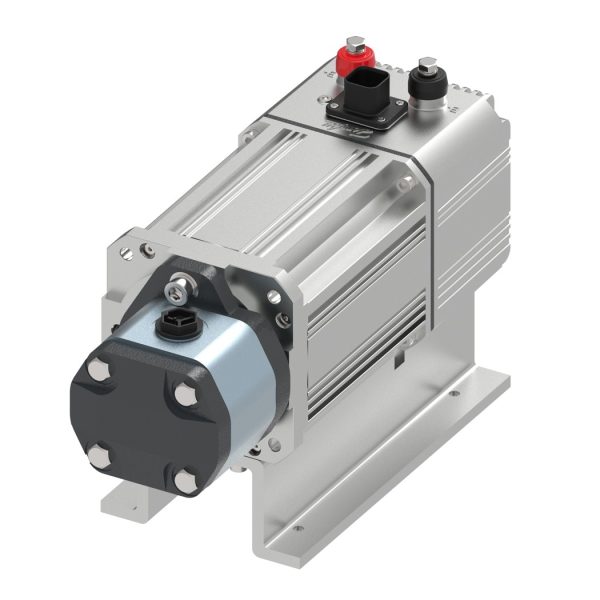
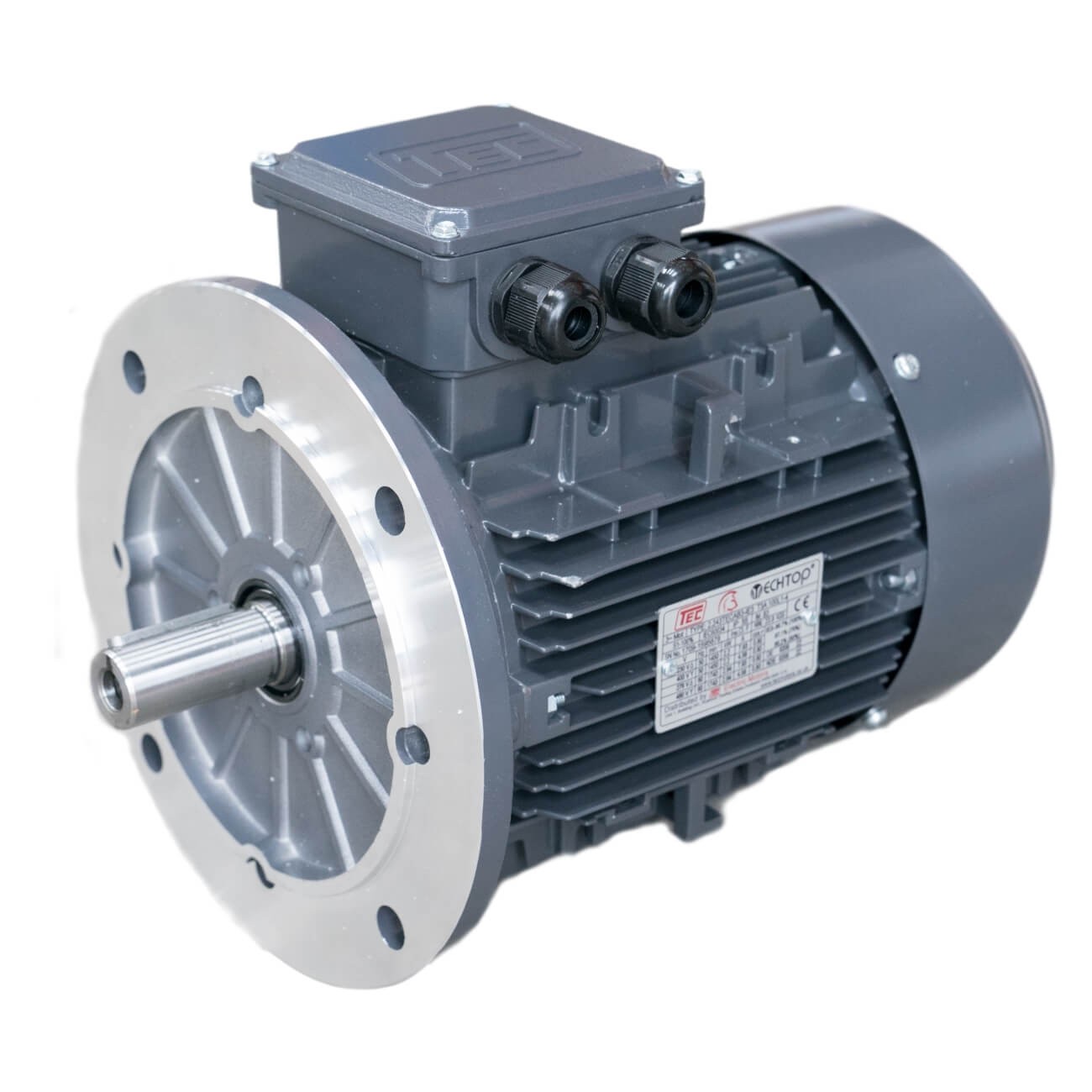
Most noise generated by a hydraulic power pack starts at the pump and motor, but that’s only part of the story. Hydraulic pump noise comes from pressure pulsations, pump speed, internal leakage, and flow ripple. That noise travels through the hydraulic fluid, the reservoir, pipework, and the structure the unit is bolted to.
In hydraulic systems, noise moves in three ways:
- Airborne noise from the pump, electric motor, fan, and turbulent oil return
- Structure-borne noise from vibration transmitted into the frame, floor, and surrounding steelwork
- Fluid-borne noise moving as pressure waves within the hydraulic fluid
An enclosure only works if you understand which of those paths is dominant. Treating airborne noise won’t fix vibration issues, and damping vibration won’t stop hydraulic whine coming straight out of an open reservoir.
Q: When does an enclosure become necessary for noise reduction?
Acoustics supplier:
If hydraulic power unit noise levels are already close to limits for noise at work, enclosure design becomes the simplest way to reduce noise without redesigning the whole hydraulic system.
You usually see enclosures added when:
- Noise in hydraulic systems exceeds acceptable sound pressure at 1 m
- Multiple hydraulic power packs sit in the same area
- Operators work near the hydraulic equipment for long periods
- The system runs continuously and noise fatigue becomes a real issue
An enclosure is rarely the first step. Pump selection, hose routing, vibration isolation, and reservoir design should be addressed first. Once those are reasonable, an enclosure can significantly reduce overall noise.
Q: What mistakes do you see most often in enclosure design?
Acoustics supplier:
The big one is enclosing a noisy hydraulic power pack without fixing the vibration source. That traps heat and noise, but vibration still transmits straight into the building.
Common mistakes include:
- No vibration isolation under the hydraulic power unit
- Rigid hydraulic hoses acting as vibration bridges
- Enclosures bolted directly to the same frame as the pump
- No airflow planning, leading to overheating
- Ignoring low-frequency pump noise, which passes through thin panels
An enclosure should sit on isolation mounts and allow the hydraulic power pack to “float” independently from the surrounding structure.
Q: How important is vibration isolation inside an enclosure?
Acoustics supplier:
It’s essential. Vibration transmitted into the enclosure panels will amplify noise rather than reduce it. Hydraulic pump vibration, motor imbalance, and pressure pulsations all show up as structure-borne noise.
To reduce noise effectively:
- Use anti-vibration mounts under the pump and motor
- Isolate the hydraulic power unit frame from the floor
- Avoid hard connections between enclosure panels and vibrating components
- Use flexible hydraulic hoses instead of rigid pipe at entry points
If vibration isolation is skipped, the enclosure just becomes another noise source.
Q: What role does the reservoir play in hydraulic noise?
Acoustics supplier:
The reservoir is a major noise source that often gets ignored. Oil returning at high velocity creates turbulence, airborne noise, and vibration. Thin reservoir walls act like a speaker.
Good enclosure design starts with reservoir noise reduction:
- Submerged return lines reduce splashing and airborne noise
- Baffles help calm pressure pulsations
- Thicker reservoir walls reduce sound power radiation
- Avoiding sharp changes in flow direction limits turbulence
Once the reservoir itself is quieter, the enclosure can work with less acoustic material.
Q: Does pump selection affect enclosure performance?
Acoustics supplier:
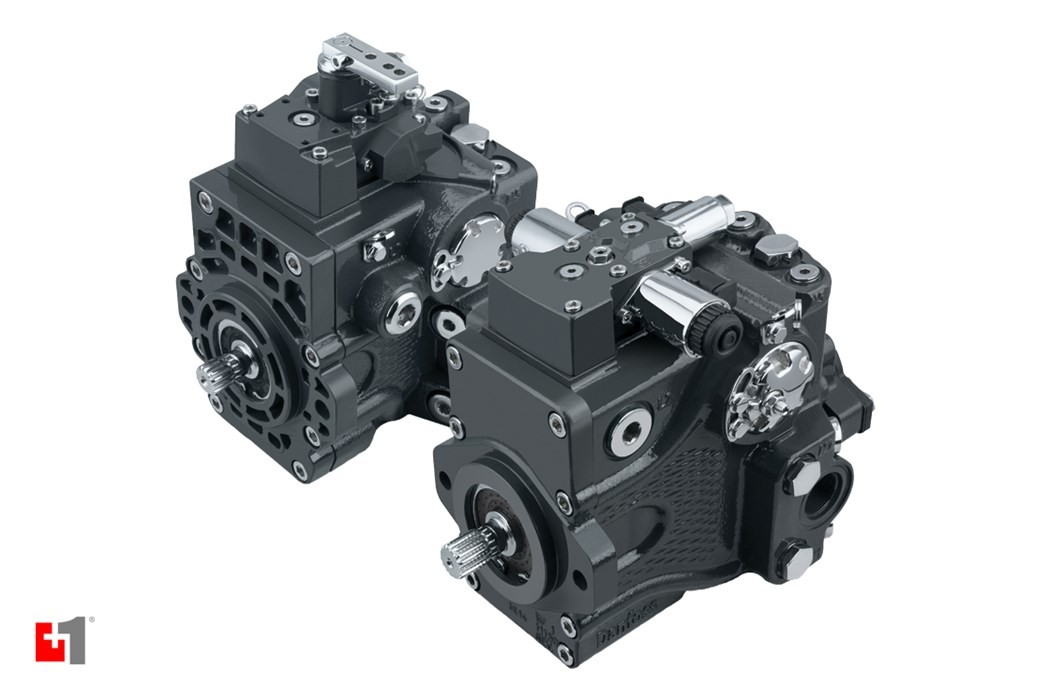
Absolutely. Pump noise defines how hard the enclosure has to work. A noisy gear pump running fast will always be harder to contain than a slower-running piston pump with smoother pressure and flow.
From a noise control point of view:
- Lower pump speed usually means lower noise levels
- Pumps with reduced pressure ripple generate less hydraulic whine
- Cavitation at the inlet creates high-frequency noise that leaks through enclosures
Selecting the right components early makes enclosure design simpler, cheaper, and smaller.
Q: What should an enclosure design checklist include?
Acoustics supplier:
This is the checklist we normally run through with hydraulic equipment suppliers.
Enclosure design checklist for hydraulic power packs
- Identify dominant noise source: pump, motor, reservoir, or valve block
- Measure sound pressure and sound power, not just guess
- Confirm vibration levels at the base frame
- Specify isolation mounts for the hydraulic power unit
- Use acoustic panels rated for low-frequency noise
- Design airflow paths with lined ducts to avoid noise escape
- Avoid direct metal contact between enclosure and vibrating parts
- Allow access for maintenance without breaking acoustic seals
Skipping any of these usually shows up as disappointing noise reduction.

Q: How do hoses and pipework affect noise inside an enclosure?
Acoustics supplier:
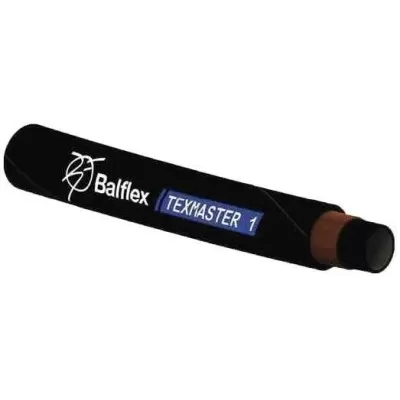
Hydraulic hoses can either help reduce noise or make it worse. Poorly supported hoses vibrate, radiate sound, and transmit pressure pulsations.
Inside enclosures we look for:
- Short hose runs with proper clamping
- Hose routing that avoids contact with enclosure panels
- No hoses pulled tight across vibrating components
- Avoiding hard elbows near pump outlets
Pressure pulsations travel along hoses like a wave of pressure, so damping those paths helps reduce noise throughout the system.
Q: What about valves and accumulators inside the enclosure?
Acoustics supplier:
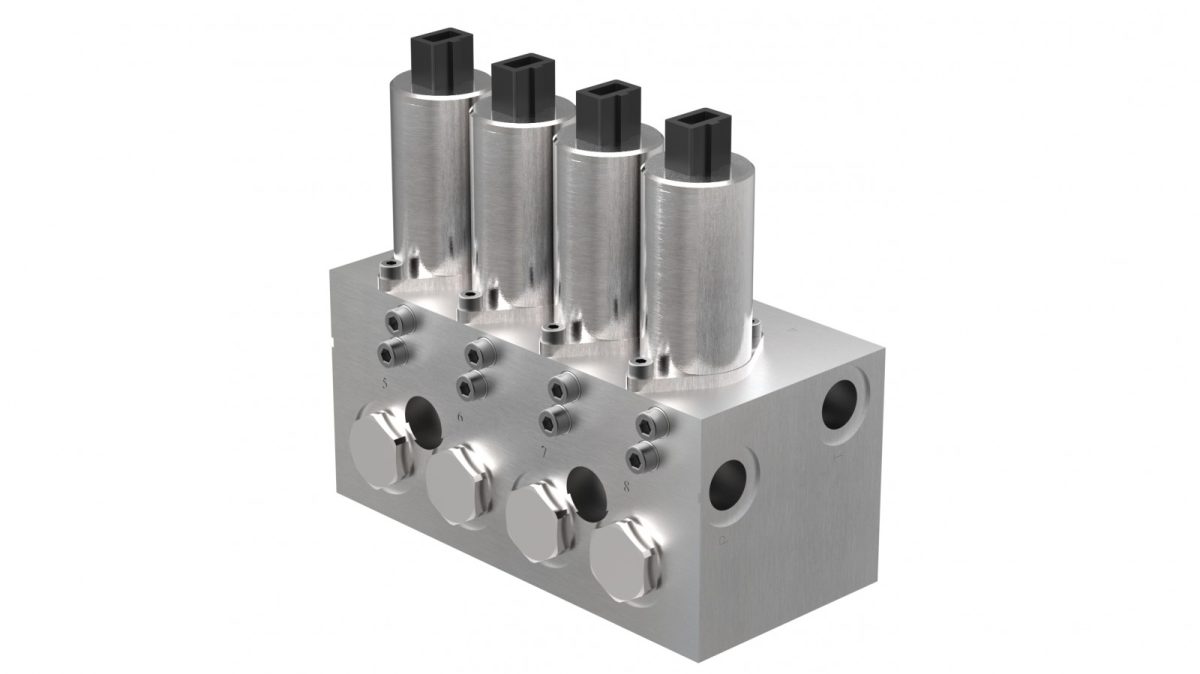
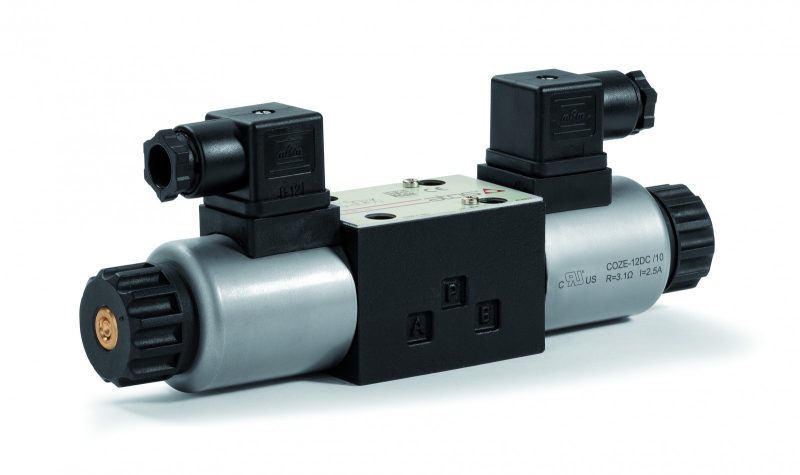
Valves can generate noise through flow restriction, cavitation, and pressure drop. Accumulators can help damp pressure pulsations when placed correctly, often teed into the pressure line near the pump outlet.
Used properly, accumulators:
- Reduce pressure ripple
- Lower pump noise
- Improve overall system performance
Used badly, they do very little or create maintenance headaches. Placement and sizing matter more than the enclosure itself in some systems.
Q: Can an enclosure cause overheating problems?
Acoustics supplier:
Yes, very easily. Hydraulic power packs generate heat, and enclosing them without a cooling plan leads to higher fluid temperature, which increases noise and reduces component life.
Good enclosure design always includes:
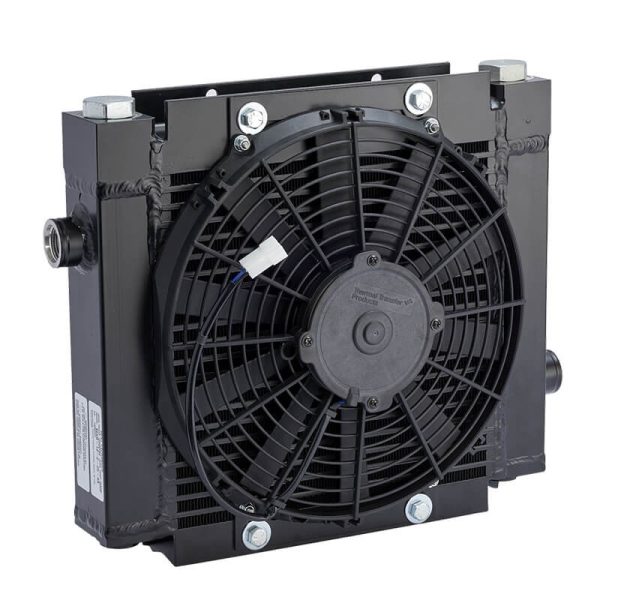
- Lined airflow paths for cooling air
- Low-noise fans sized for continuous operation
- Separation between hot air exhaust and intake
- Monitoring of hydraulic fluid temperature
A hotter system usually becomes noisier, so thermal control supports noise reduction directly.
Q: How much noise reduction is realistic with an enclosure?
Acoustics supplier:
For hydraulic power pack noise reduction, a properly designed enclosure often achieves:
- 5–10 dB reduction with basic acoustic panels
- 10–15 dB reduction with full enclosure and isolation
- More than 15 dB when combined with pump upgrades and vibration control
Results vary depending on noise source, frequency range, and how well vibration paths are controlled.

Q: When should enclosure design be discussed with the hydraulic supplier?
Acoustics supplier:
As early as possible. Enclosure design works best when it’s part of the hydraulic power unit specification, not an afterthought.
Working with a hydraulic specialist such as Hydrastore early allows pump selection, reservoir design, vibration isolation, and enclosure layout to work together rather than fighting each other later.
Final thought on hydraulic power pack noise reduction
Hydraulic power pack noise reduction is rarely solved by one fix. Enclosures play a big role, but only when vibration, pump noise, reservoir behaviour, and transmission paths are treated as part of the same hydraulic system problem. A good enclosure supports the system, it doesn’t try to hide bad design.