

Hydraulic power packs (hydraulic power units) have come a long way from being just “big motors and pumps bolted together.” Modern energy‑efficient HPUs use smart design and connected hydraulics to cut kWh usage, manage heat better, and reduce wasted oil. All while still delivering the flow and pressure needed by industrial gear or mobile machinery.
This guide sets out how that shift happens, the benchmarks you should be thinking about and what “connected hydraulics” means in practical terms for real‑world systems.
At the heart of every HPU is a pump, motor, reservoir, valves, and control system - all working together to take electrical or mechanical input and convert it into usable hydraulic flow and pressure.
Traditional designs often run the pump at constant speed, letting excess flow dump back to tank through valves. That wastes energy as heat and raises oil temperature unnecessarily.
An energy‑efficient system aims to control that flow and pressure more precisely, reduce unnecessary throttling, and keep the system running close to what the load really needs.
Key contributors to efficiency include:
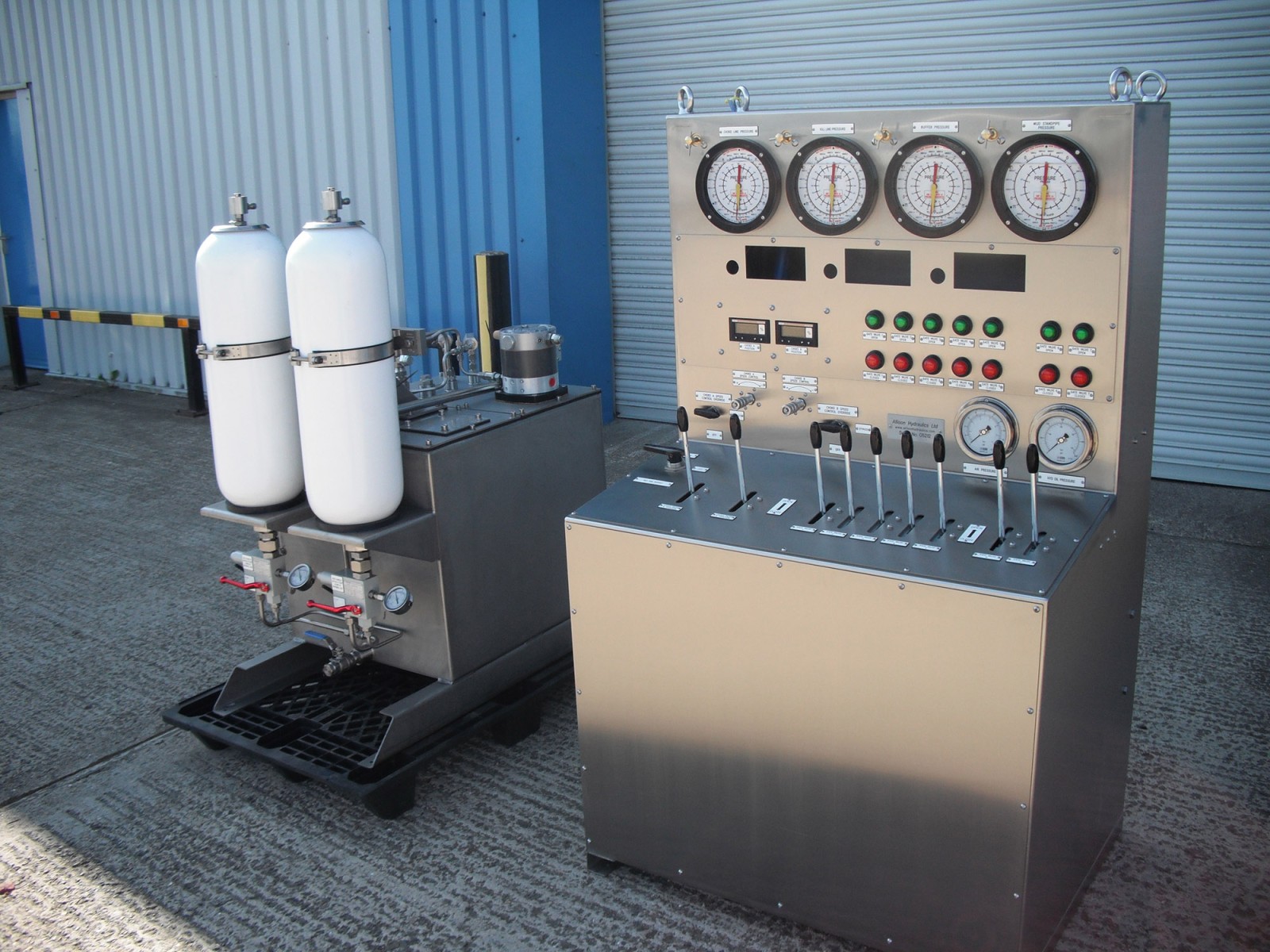
“Connected hydraulics” isn’t marketing fluff - it describes HPUs that actively monitor, control, and respond to system conditions in real time.
Older systems react in an on/off or fixed‑flow way. Connected systems use sensors and feedback loops to adjust operation toward actual need. This can include:
The outcomes include:
A benchmark often used by OEMs and system designers is that variable speed pump systems can cut energy consumption by 20–80 % over constant‑speed throttled systems in part‑load operation.
Here are some practical performance comparisons between connected/modern HPUs and legacy designs:
|
Feature |
Legacy HPU |
Energy‑Efficient HPU |
|
Pump speed control |
Fixed / constant |
Variable or demand‑matching |
|
Valve control |
On/off or fixed proportions |
Proportional/closed‑loop |
|
Heat generation |
High (wasted flow) |
Low (optimised flow) |
|
Power consumption |
High peak, high average |
Lower average, lower peak |
|
Oil condition |
Faster degradation |
Longer fluid life |
|
Control |
Simple relay/pressure switch |
Smart sensors/connected logic |
Connected hydraulics shifts the emphasis from simply meeting requirement to meeting it in the most energy‑effective way possible.

Electric hydraulic power units - particularly those paired with variable drive or inverter technology - offer a good example of energy‑efficient direction. Electric motors inherently convert electrical energy to mechanical energy more efficiently than combustion or fixed‑speed drives.
Pair that with a variable frequency drive (VFD) or similar control, and the HPU’s power draw becomes a function of demand rather than a constant overhead.
This is especially valuable in systems with variable duty cycles, where peak flow/pressure is only occasionally needed, because modern drives can almost “throttle without throttling” by adjusting motor speed. This reduces wasted kW and heat build‑up.
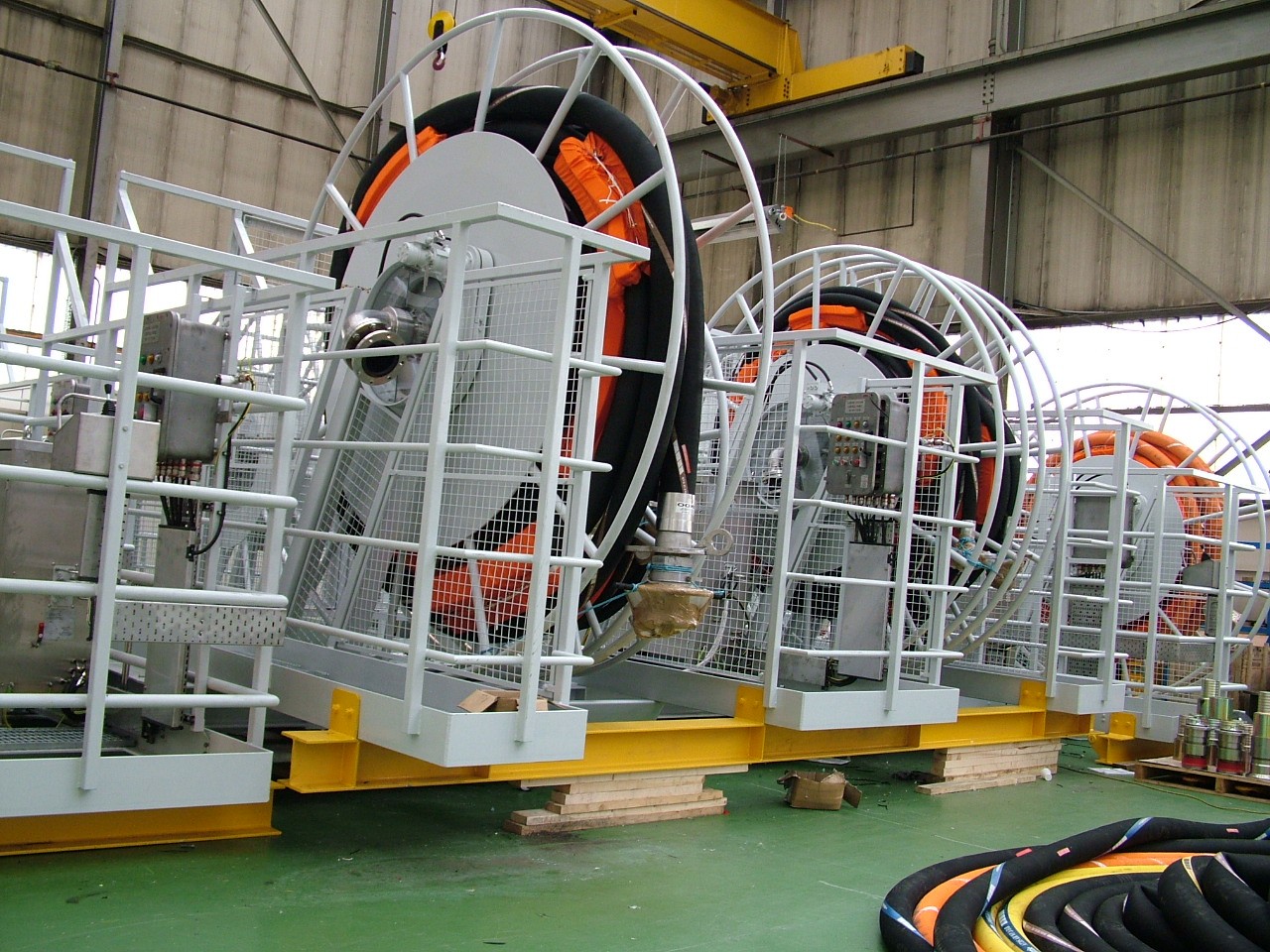
Even the most advanced control strategy can falter if the fluid and thermal loop isn’t managed well.
A few focus areas include:
Good thermal management also keeps oil within its optimal performance window, reducing oxidation and energy loss through heat, a common source of inefficiency.
Not all systems benefit equally from the same strategy. The more generic a power pack design, the more likely it is to have inefficiencies - because it’s built for “average” rather than “your” load.
A modular power unit or bespoke hydraulic power pack tailored to specific flow, pressure, and duty cycles tends to perform better overall because:
For example, mobile machinery with frequent idle or part‑load cycles benefits greatly from variable flow control, whereas a constant‑load industrial press might benefit more from matched fixed displacement pump sets.
To design or specify energy‑efficient HPUs:
Useful performance indicators include:
Using these metrics helps quantify how much “energy efficiency” your HPU design actually delivers, not just what the controls claim.
Energy‑efficient HPUs aren’t just about a few parts or a fancy controller. They’re about system‑wide optimisation - matching pump and motor to real demand, using smart control to avoid unnecessary energy loss, and managing heat and fluid conditions so the system stays within an efficient operating window.
Compared with legacy designs, this approach saves kWh, cuts operating heat, slows fluid breakdown, and boosts reliability, a true win across industrial and mobile applications.
Posted by admin in category Power Packs Advice on Wednesday, 28th January 2026
Call our knowledgeable team Mon–Fri 8:30am–5pm
Systems & Components Division 01427 874445
sales@hydrastore.co.uk
Hose Division 0121 326 6395
hoses@hydrastore.co.uk


Hydrastore use cookies to make the site run smoothly, enhance the content and to gather information on how you use it in order to improve and personalise your experience. See our Privacy Policy