




The hidden costs of running a hydraulic power pack
Everyone asks about the price of the unit, not many ask about the cost to run it for ten years.

But this is where smart system design makes or breaks a hydraulic setup. It’s not just the upfront installation cost that matters. When you factor in energy efficiency, fluid use, downtime, and filter replacements, you’ll quickly see how the cheapest hydraulic power unit up front isn’t always the cheapest over time.
This article walks through hydraulic power pack lifecycle costs, breaking it into real-world expenses like oil degradation, pump wear, and preventative maintenance, and gives you a proper handle on long-term decision-making.
What is a hydraulic power pack lifecycle cost?
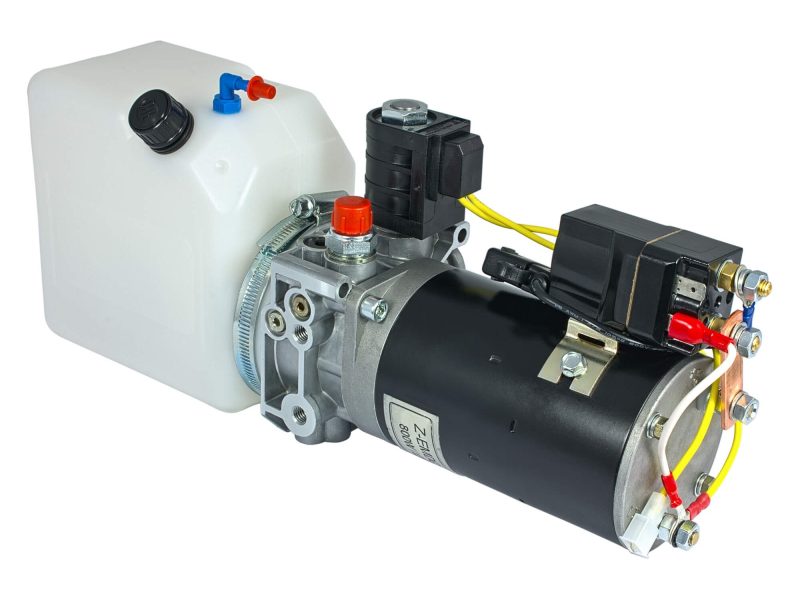
Lifecycle cost refers to the total cost of ownership of a hydraulic power pack, from initial design and manufacture to installation, operation, maintenance, and eventual replacement or upgrade.
It includes:
- Purchase and installation costs
- Power consumption
- Hydraulic fluid consumption and oil analysis
- Filter changes and contaminant removal
- Planned and unplanned downtime
- Preventative maintenance schedules
- Component failures and repairs
- Fluid reservoir condition over time
- Staff time and associated system disruption
Key components affecting lifecycle cost
When calculating the long-term cost of a hydraulic power unit, several elements carry more weight than you might expect:
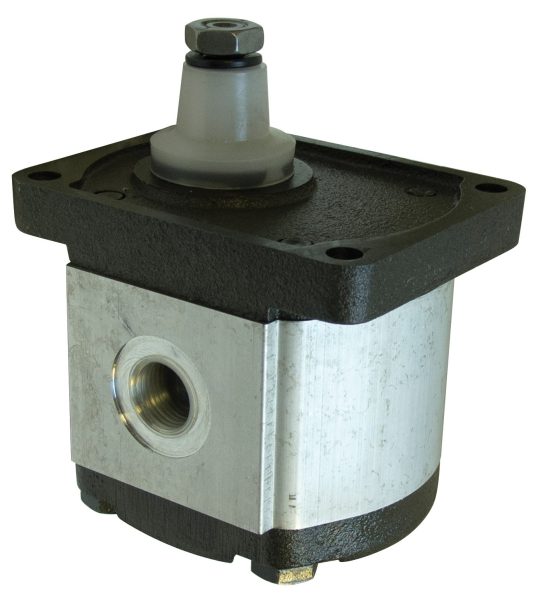
1. Hydraulic pump selection
- Wrong pump = inefficient flow rate = high operating costs
- Oversized pump wastes energy
- Undersized pump wears faster and overheats
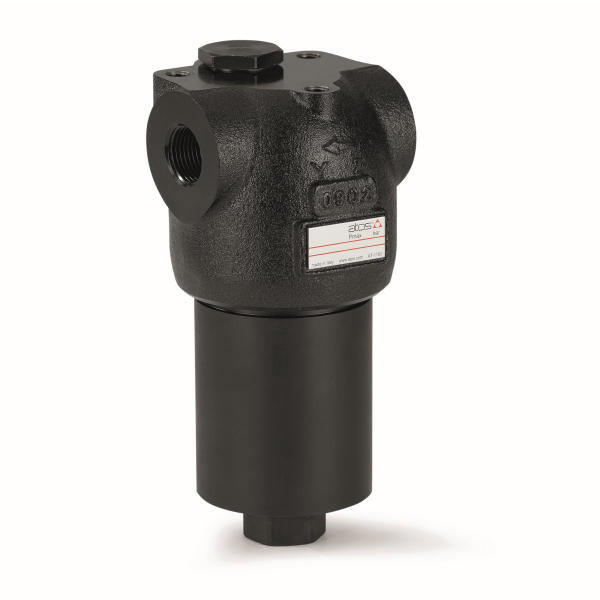
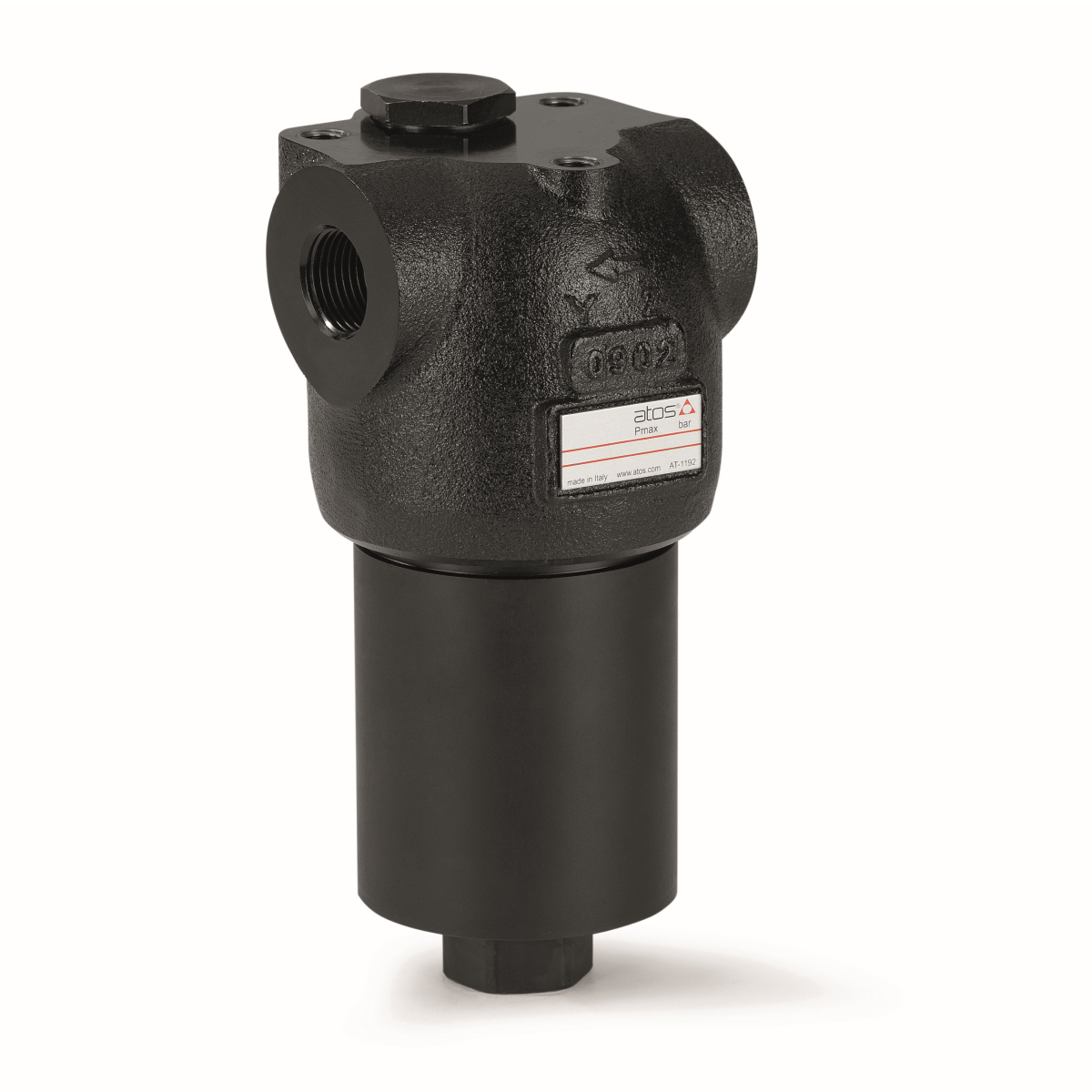
2. Filtration system
- Cheap filters may reduce initial cost, but they clog quickly
- Inadequate filtration leads to hydraulic fluid degradation and component damage
- Filter changes = labour + part cost + risk of introducing contaminants
3. Reservoir size and design
- Poor reservoir sizing or layout causes hydraulic fluid to run hot, reducing its life and causing varnish or sludge
- Contaminants build up quicker without proper tank separation design
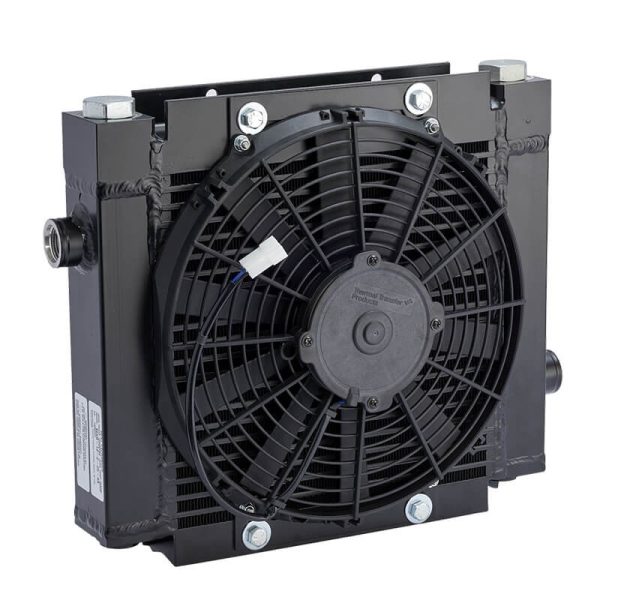
4. Electric motor and cooling system
- Constant-running motors drain energy when idle
- Lack of a cooling system increases overheat risk and damages seals, fluid, and internal components
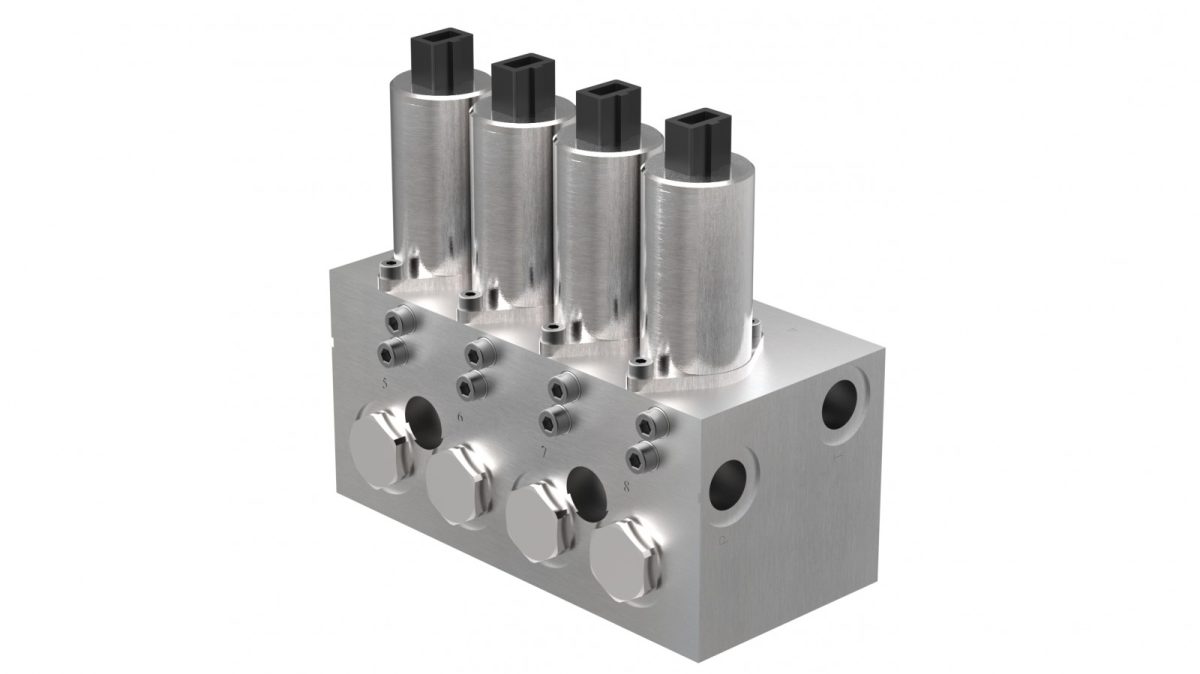
5. Control valves and system layout
- Efficient valve placement reduces line losses and unnecessary heat build-up
- Well-routed circuits minimise pressure drop and improve reliability

Upfront costs vs. long-term costs
| Cost Type | Notes |
| Installation cost | Pipework, fixings, site labour, commissioning |
| Energy usage | Can exceed 5–10x the purchase cost over lifespan |
| Hydraulic fluid | Refill every 1–2 years depending on system size and degradation |
| Filter replacement | Expect 3–6 per year depending on operating conditions |
| Downtime cost | Lost production, emergency service, damaged machinery |
| Planned maintenance | Includes inspection, oil sampling, top-ups, cleaning |
| Repairs or breakdowns | Failures in pumps, valves, seals from poor contamination control |
How to reduce hydraulic power pack lifecycle cost
A few design decisions and practices have an outsized impact:
Pick the right pump type for the duty cycle
- Don’t run gear pumps continuously in applications that would suit a piston pump better
- Match flow demand to system pressure and cycle rate
Don’t undersize the reservoir
- Sizing it too small reduces dwell time, overheats the fluid, and shortens pump life
- A properly sized tank improves system performance and reliability
Fit a cooling system when needed
- It’s cheaper to add a cooler than to rebuild cooked components
- Especially critical in industrial and mobile applications with long duty cycles
Choose filters with proper β-ratio
- Don’t skimp on filtration
- Higher efficiency filters reduce the amount of hydraulic contaminants reaching precision components like valves and pumps

Include offline filtration or kidney loops
- Helps keep oil clean continuously, not just when the system is running
Design for preventative maintenance
- Use quick-change filters, pressure gauges, and sight glasses for fast inspections
- Build in access space for service—not just compactness
The cost of ignoring oil degradation
If hydraulic fluid is not monitored or replaced based on condition:
- Viscosity changes affect lubrication and efficiency
- Heat causes oxidation, varnish, and sludge build-up
- Seals degrade, leading to leaks and hydraulic system instability
- Water and particle contamination accelerate wear and tear
Regular fluid analysis prevents long-term issues and gives you a view into the health of the whole hydraulic system.
Avoiding unplanned downtime
A breakdown in a hydraulic system doesn’t just mean a failed part. It often leads to:
- Full system flushes
- Replacing valves and pumps
- Cleaning the reservoir
- Labour costs and re-commissioning time
Unplanned downtime from poor maintenance or bad system design can cost 10–50x more than a routine filter change.
The energy cost of running a poorly optimised HPU
Running a fixed displacement pump at full speed 24/7? You’re paying for energy even when no flow is needed.
That’s where smarter system design matters:
- Use load-sensing pumps or variable displacement designs
- Include pressure regulation to avoid bypassing fluid constantly
- Fit pressure switches and solenoids to shut the system down when idle
Checklist: reduce lifecycle costs in hydraulic power packs
- Select the right hydraulic pump for flow and duty cycle
- Size the reservoir for cooling and dwell time
- Use quality filters matched to system pressure
- Install a cooler where heat is a concern
- Monitor fluid condition and schedule analysis
- Design for quick maintenance and service
- Work with a supplier that offers custom hydraulic power solutions
- Commission the system properly and verify pressure settings
- Educate your team on system performance impacts of poor maintenance
- Track total cost, not just purchase price
Why lifecycle cost should be part of every power unit spec
Whether you’re sourcing for a new install or upgrading a legacy setup, always ask:
- What’s the expected lifespan of the hydraulic power unit?
- What are the projected operating costs (energy, oil, filters)?
- How much downtime will this design typically cause over five years?
- What’s included in the service manual and maintenance schedule?
- How does the unit perform in terms of long-term reliability?
Choose a professional hydraulic power supplier who understands these numbers, not just the headline specs.
FAQs: hydraulic power unit lifecycle cost
Q: How often should I change my hydraulic fluid?
Depends on contamination, temperature, and system use, but 2,000 hours or based on oil analysis results is a good rule of thumb.
Q: Is a variable displacement pump worth the cost?
If your flow demand changes during operation, yes. It reduces energy usage and extends fluid life.
Q: Can I retrofit a cooler to an existing HPU?
Yes, and it’s often one of the best investments for systems that are running hot.
Q: What’s the typical life of an HPU?
With proper design and maintenance, 10-15 years is realistic. Poorly maintained systems often fail in half that time.
Final thought
When you factor in energy, fluid, filters, and downtime, the life-cycle cost of a hydraulic power pack is often many times higher than the purchase price. Thinking about cost this way gives you leverage to make better decisions, both in design and in choosing the right supplier.